Photo by: Cotton Bowl
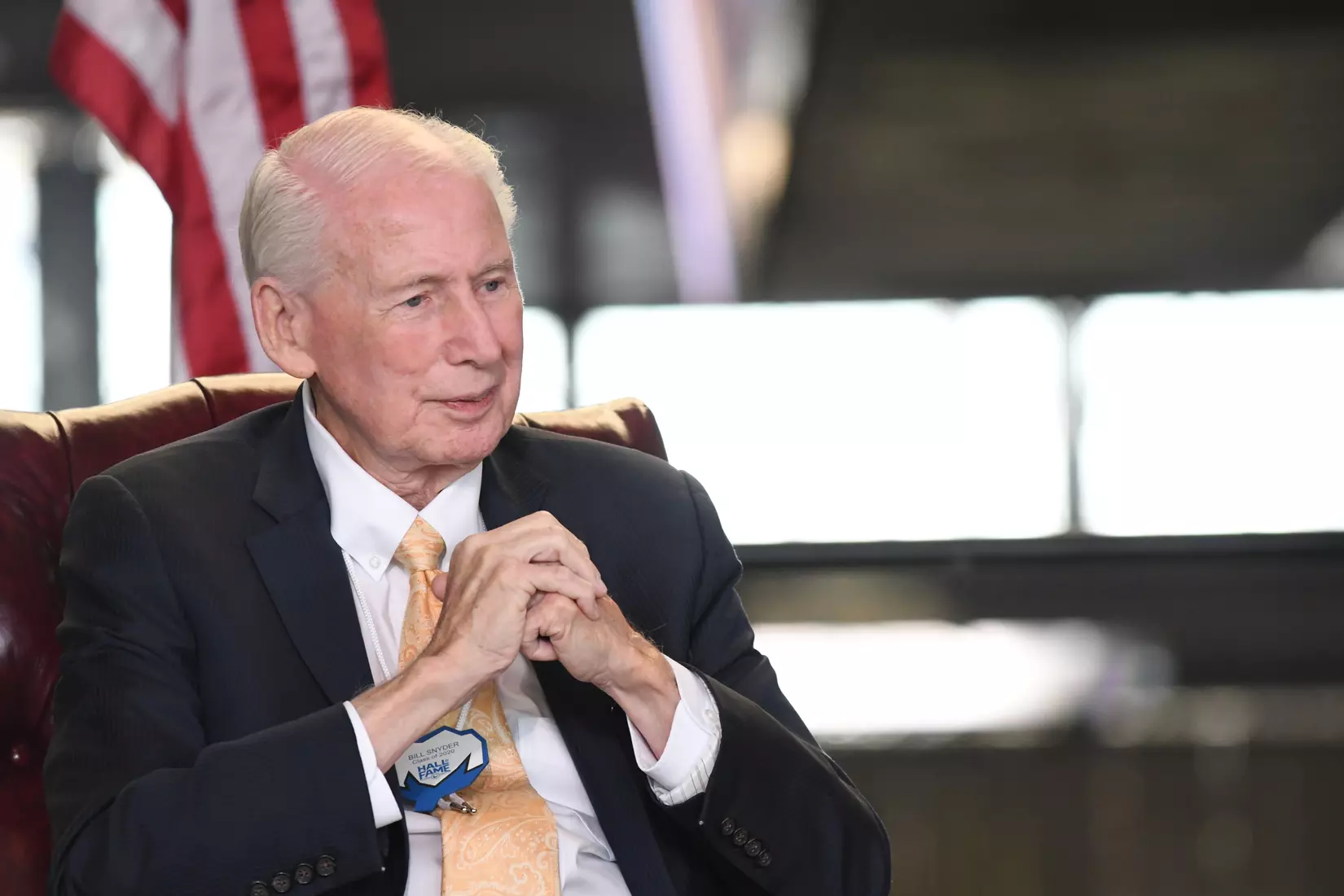
Photo by: Cotton Bowl
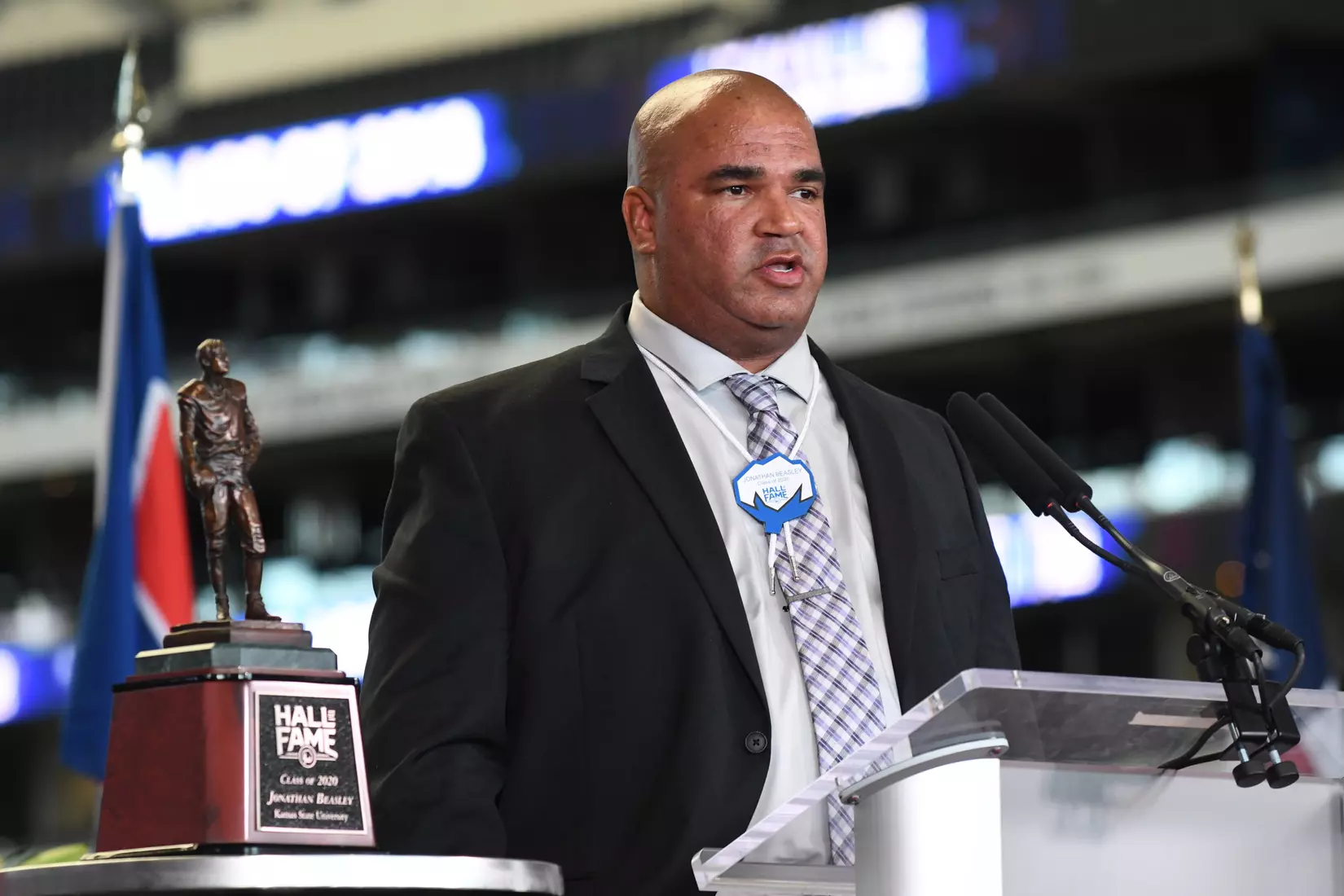
Photo by: Cotton Bowl
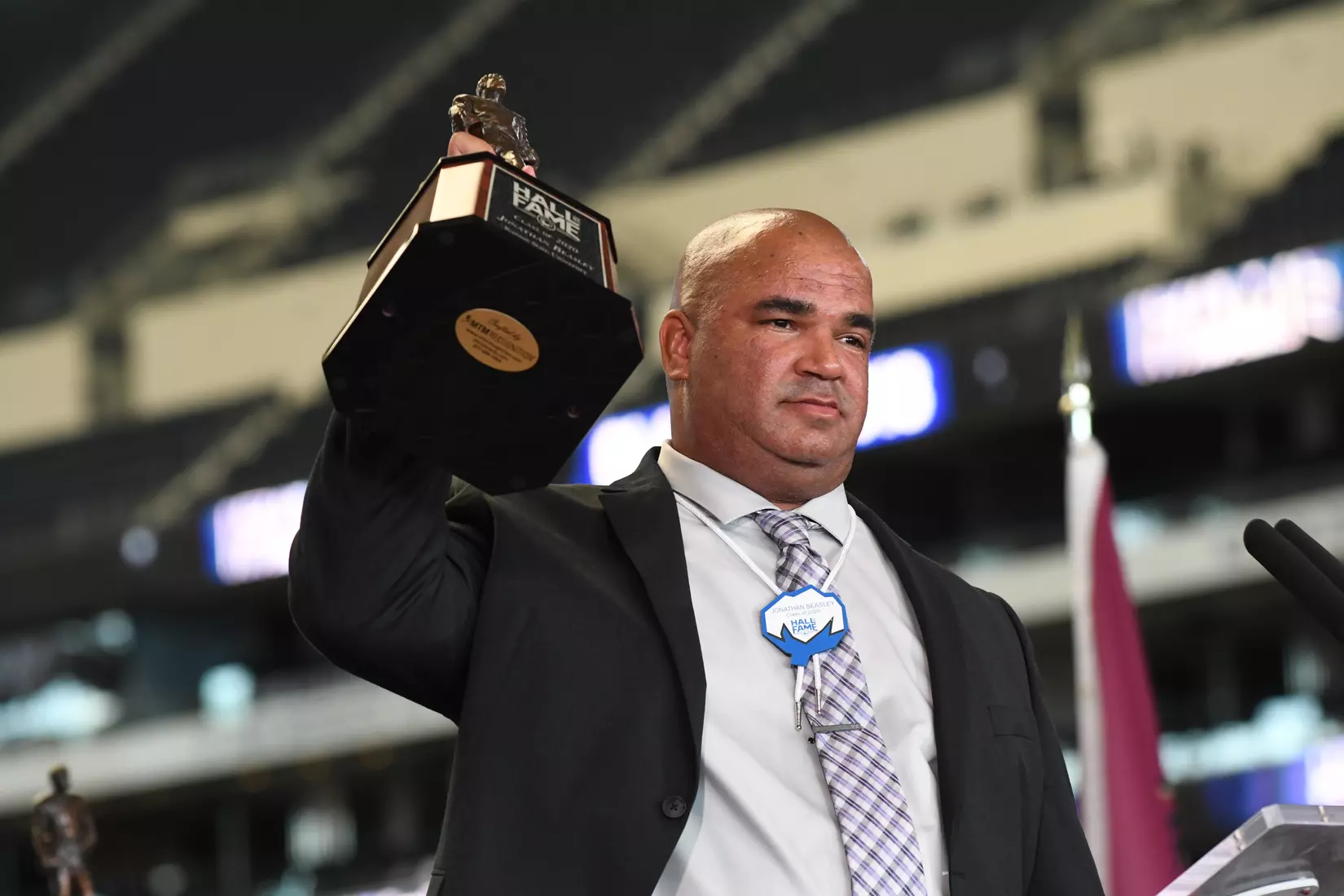
Photo by: Cotton Bowl
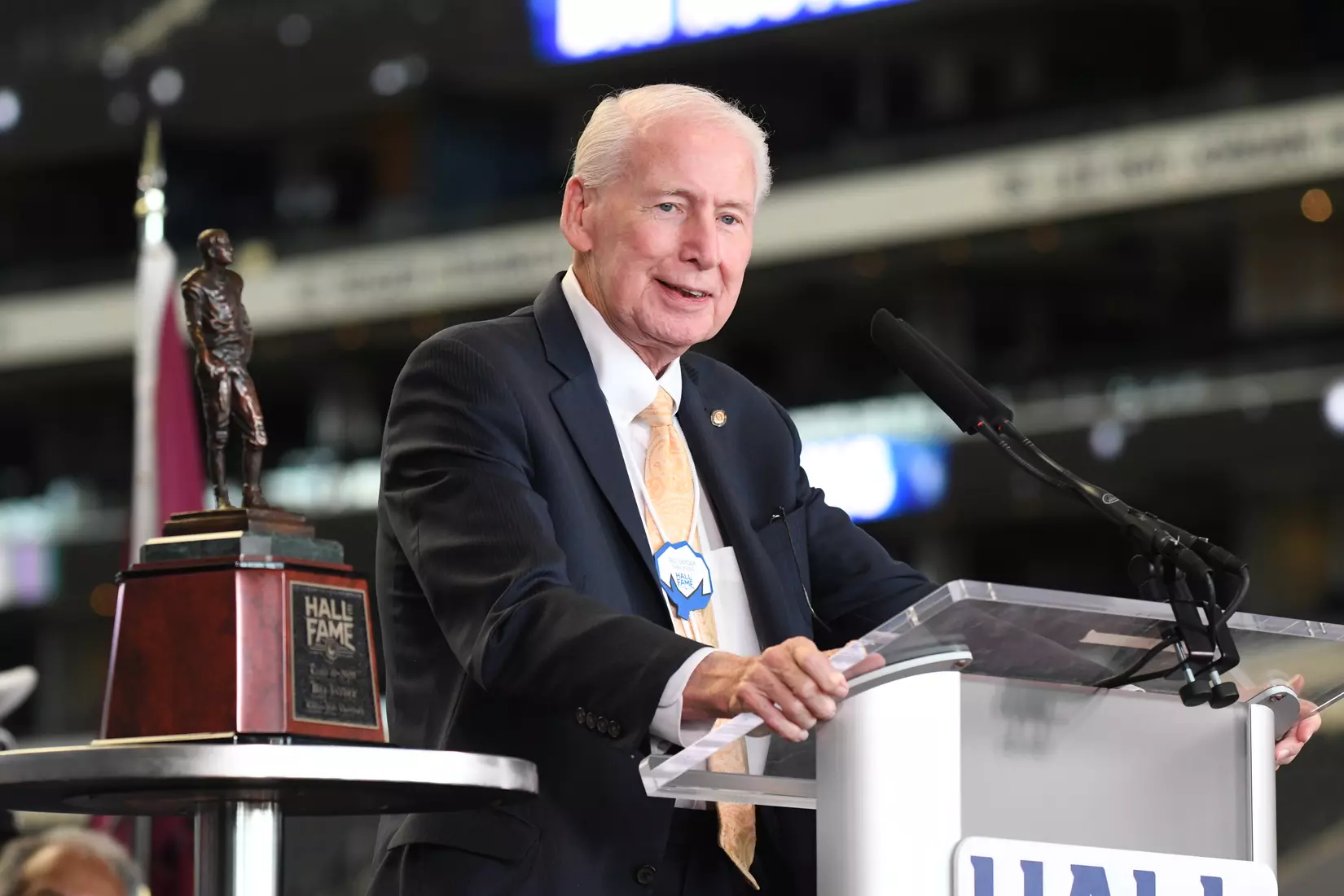
Photo by: Cotton Bowl
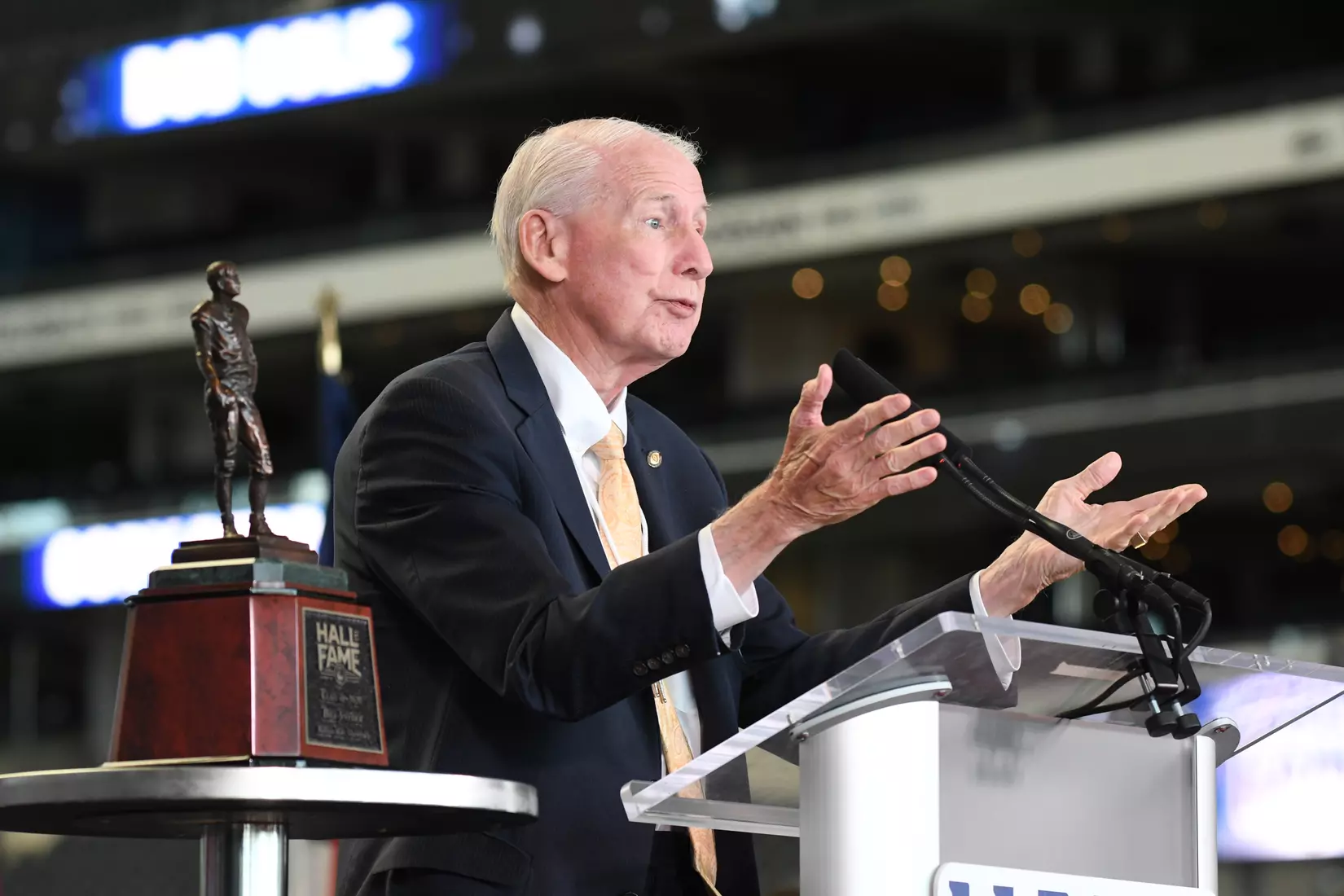
Photo by: Cotton Bowl
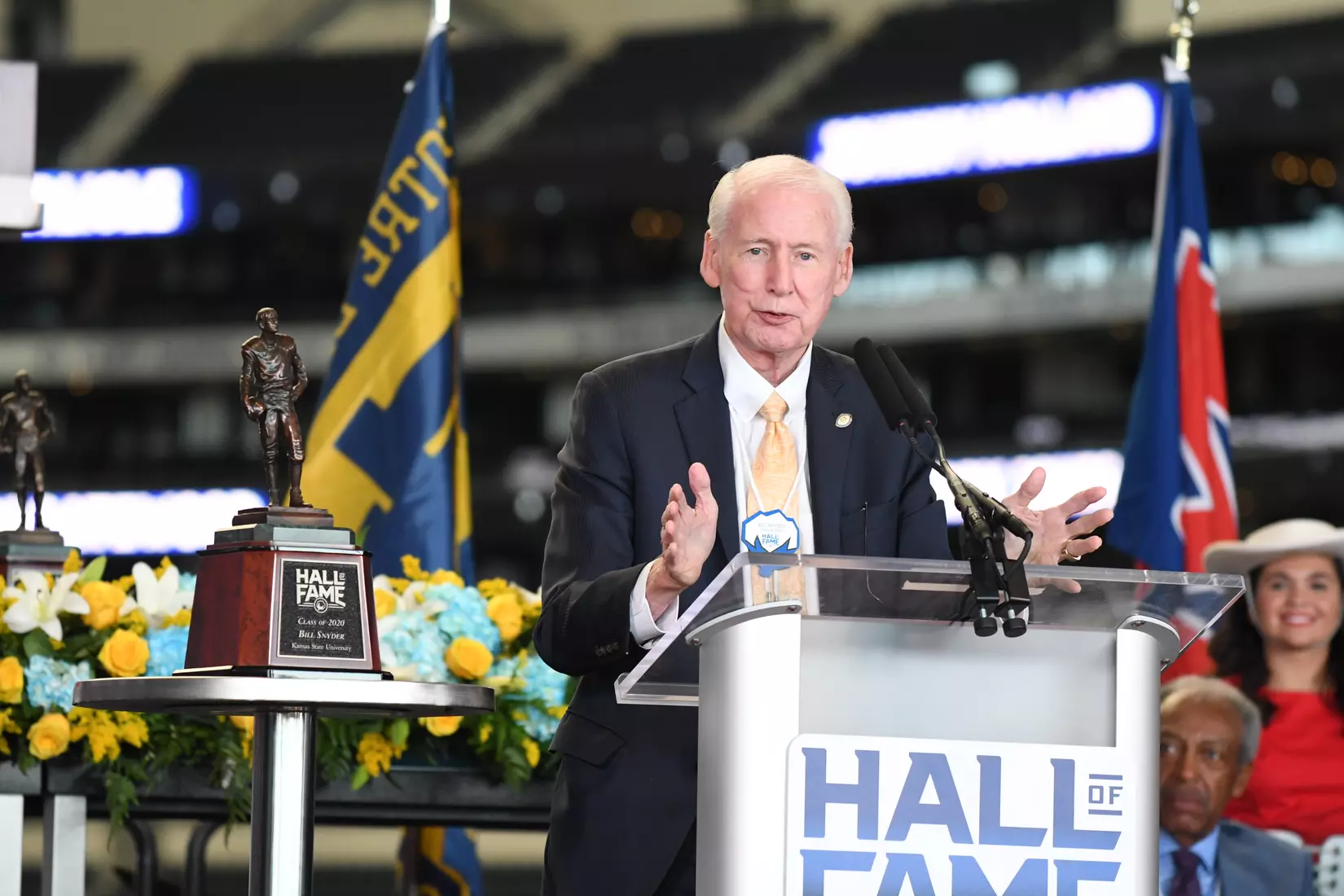
Photo by: Cotton Bowl
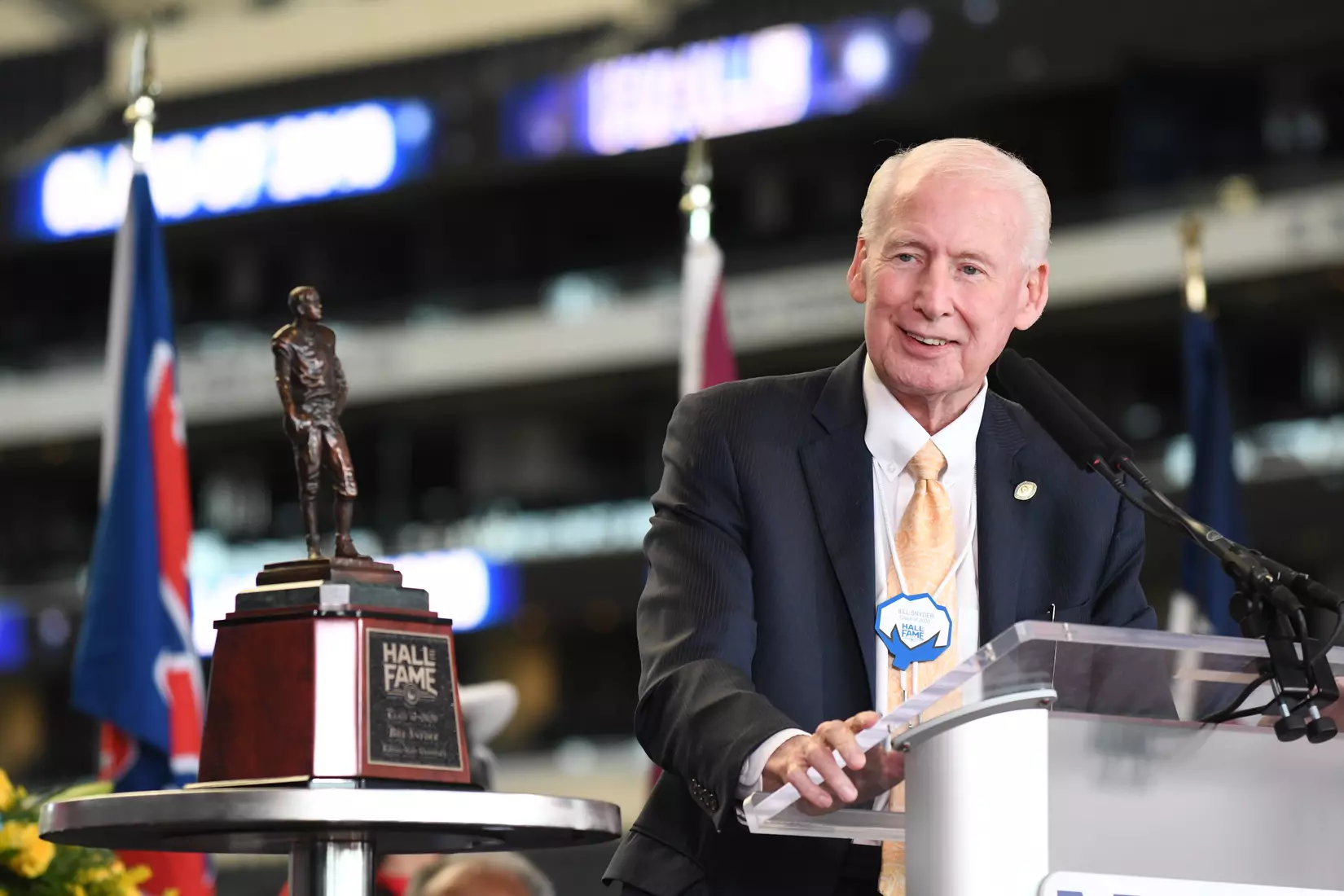
Photo by: Cotton Bowl
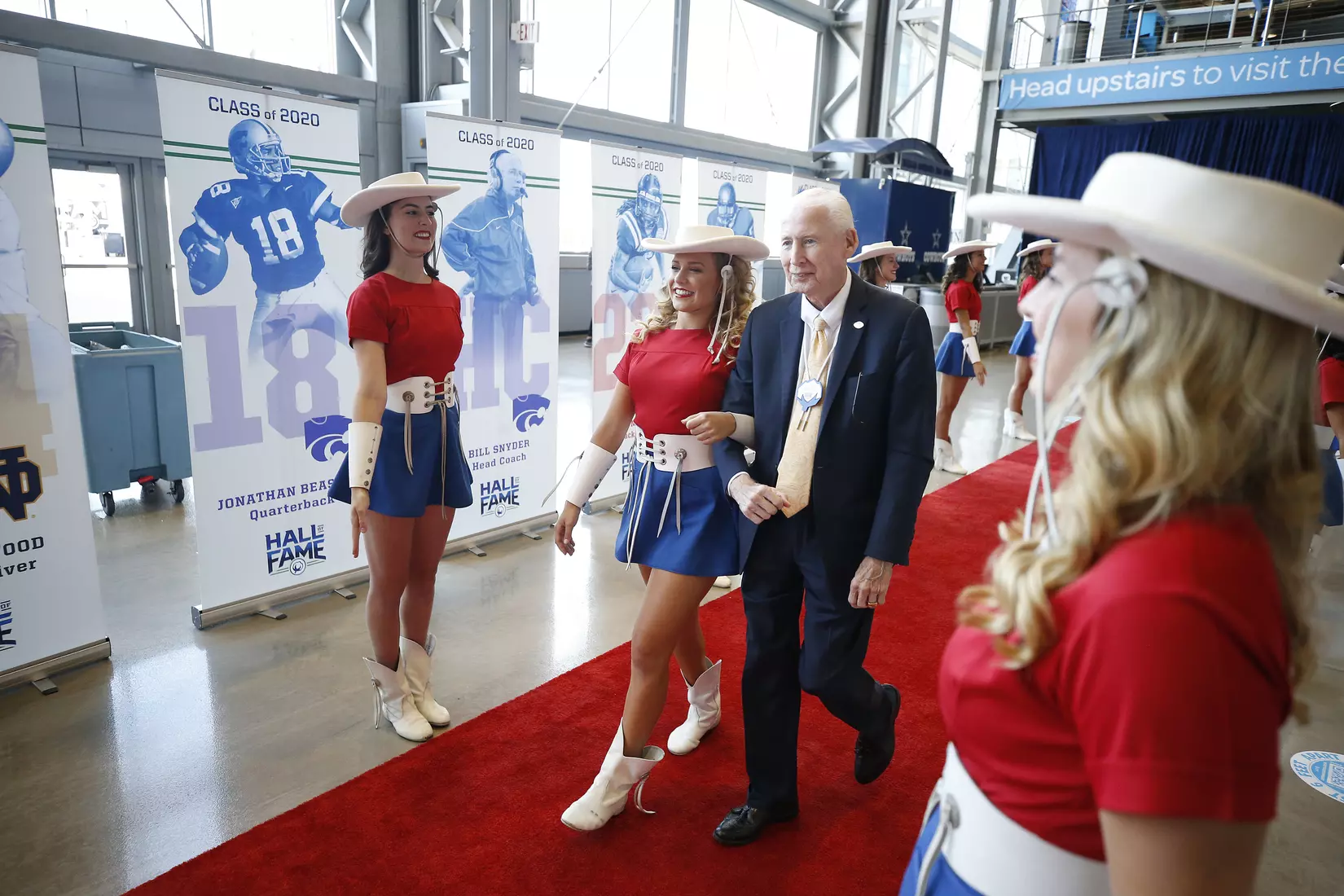
Photo by: Cotton Bowl
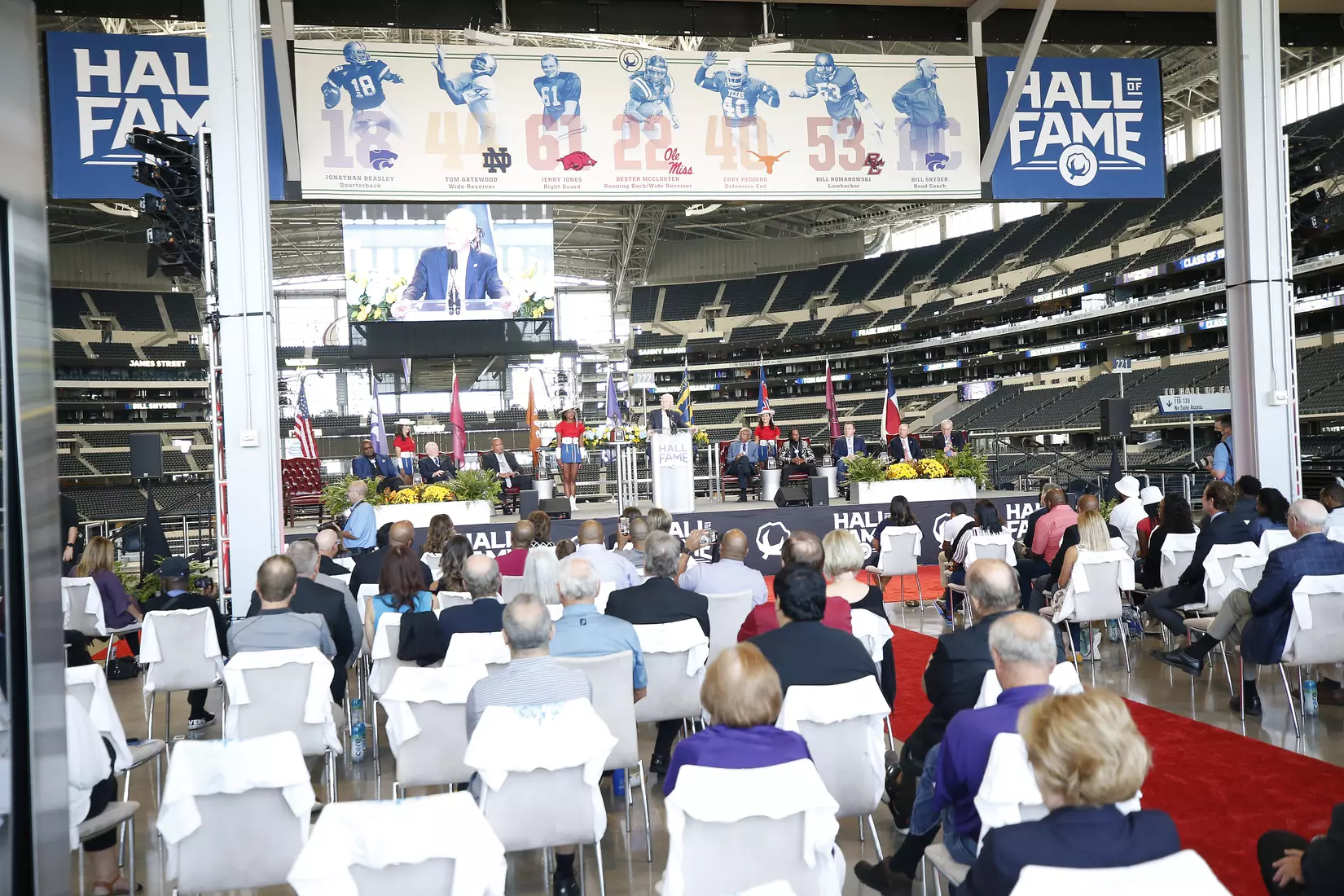
Photo by: Cotton Bowl
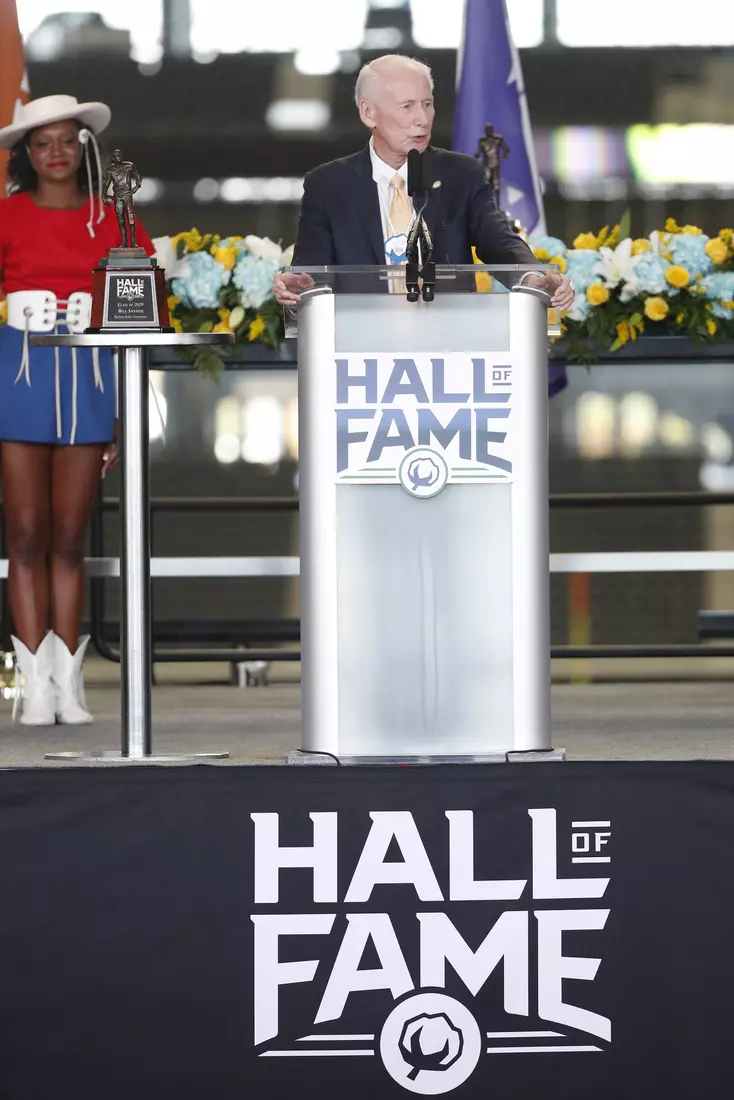
Photo by: Cotton Bowl
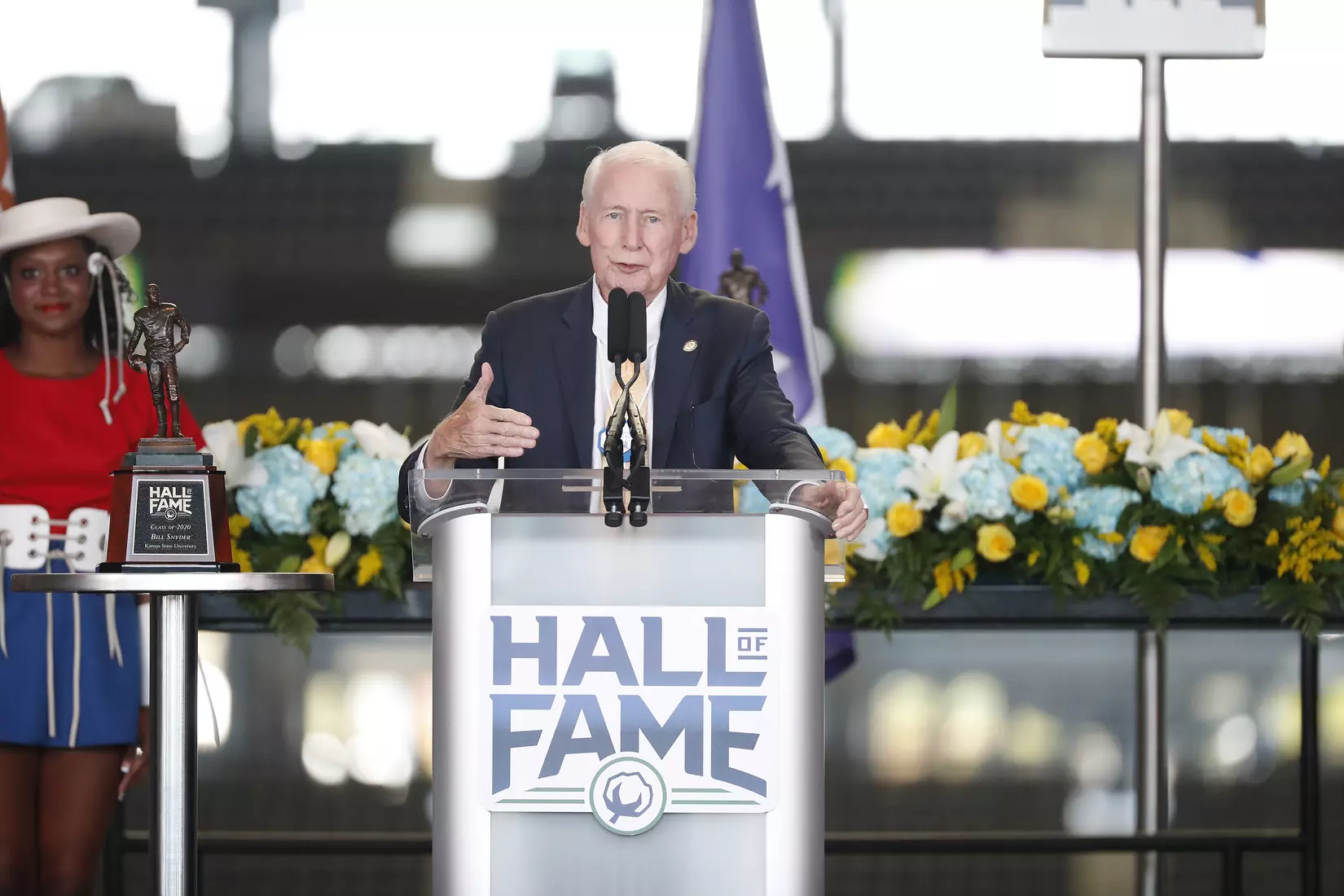
Photo by: Cotton Bowl
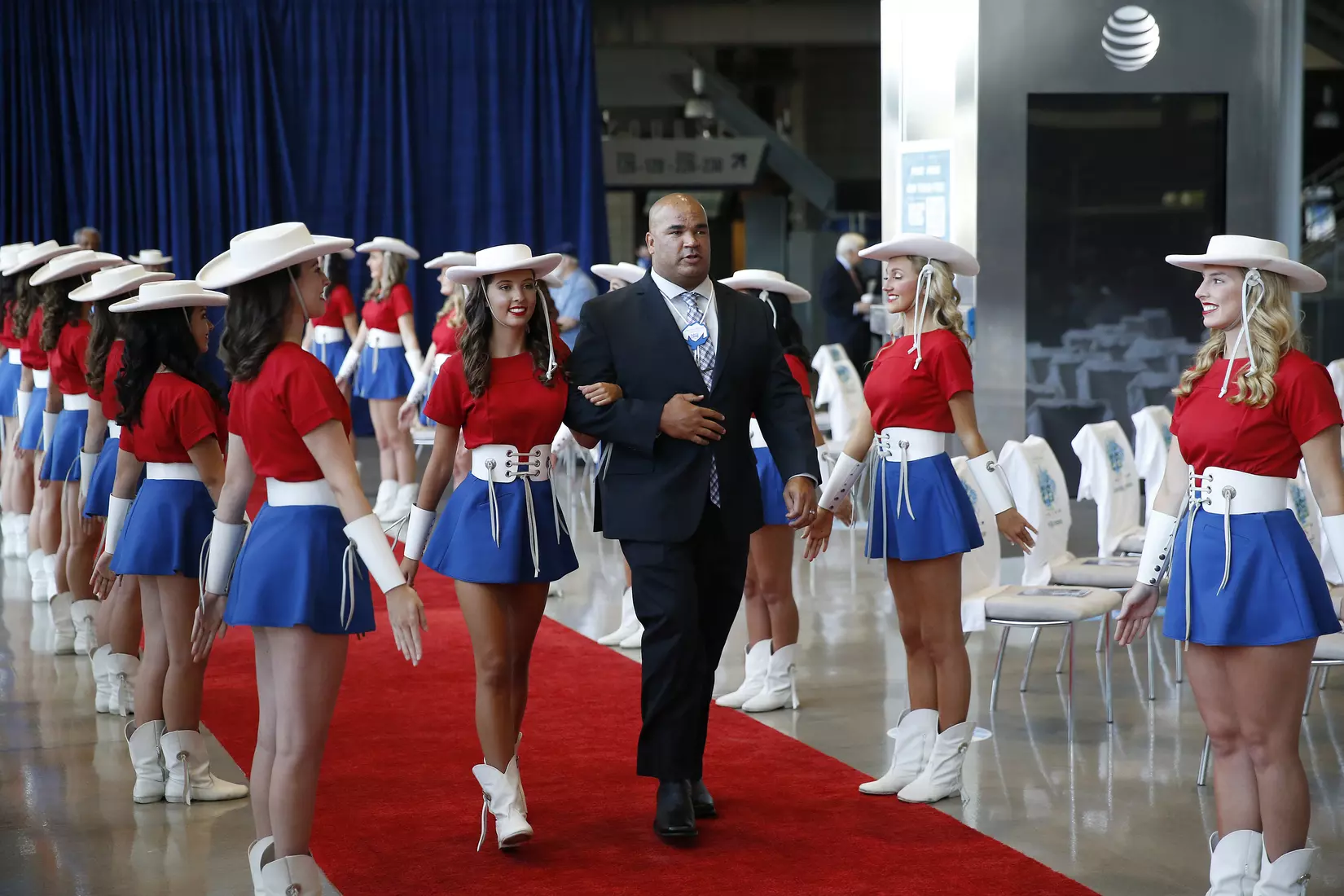
Photo by: Cotton Bowl
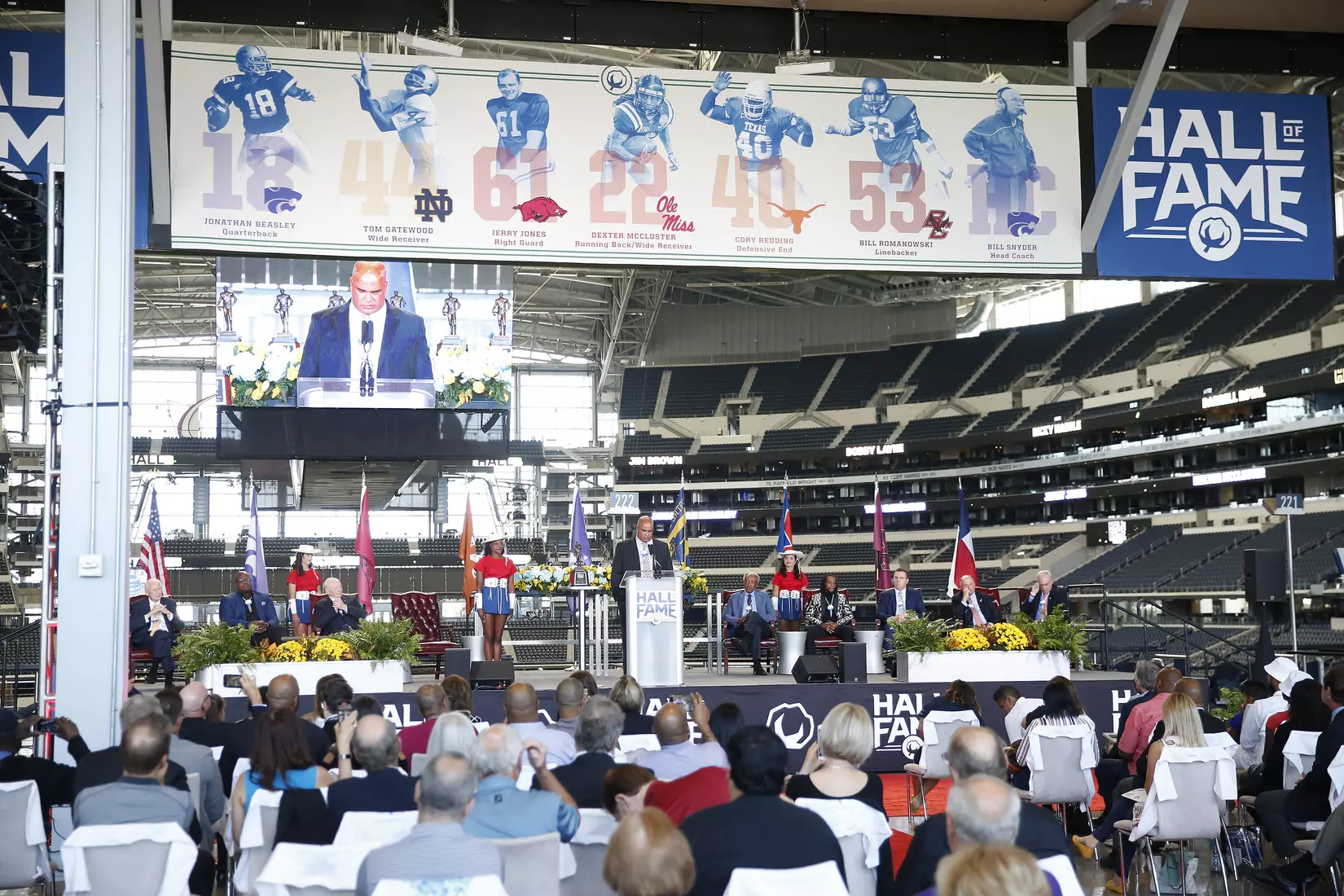
Photo by: Cotton Bowl
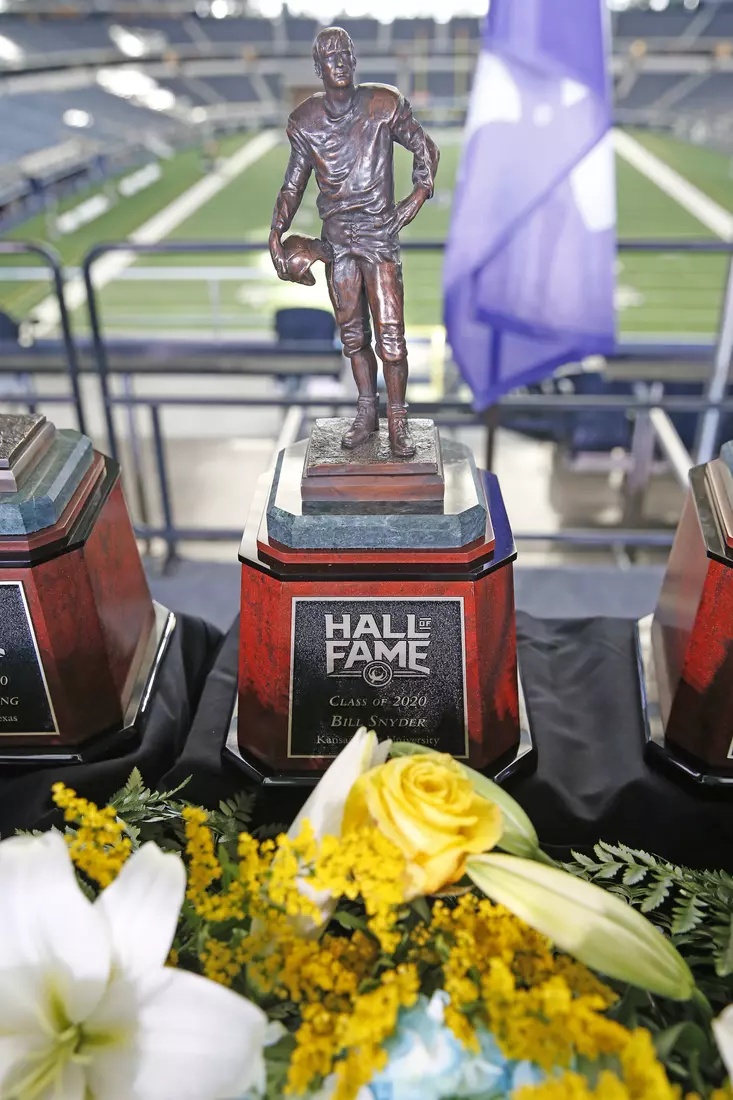
Photo by: Cotton Bowl
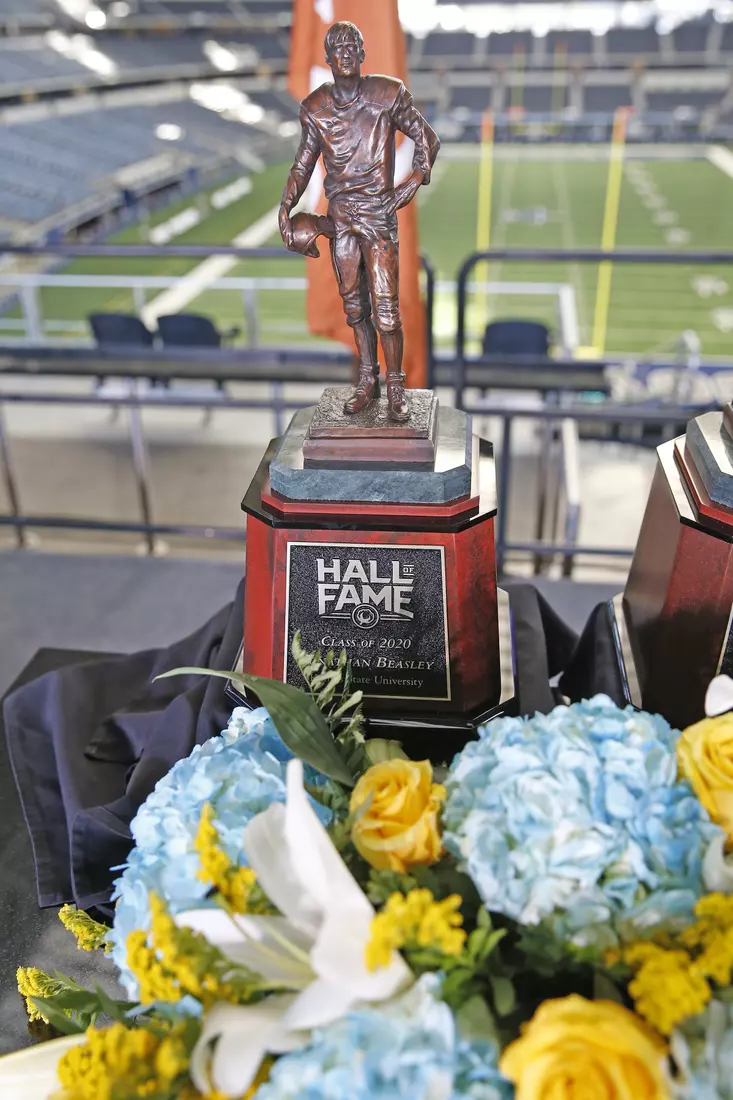
Photo by: Cotton Bowl
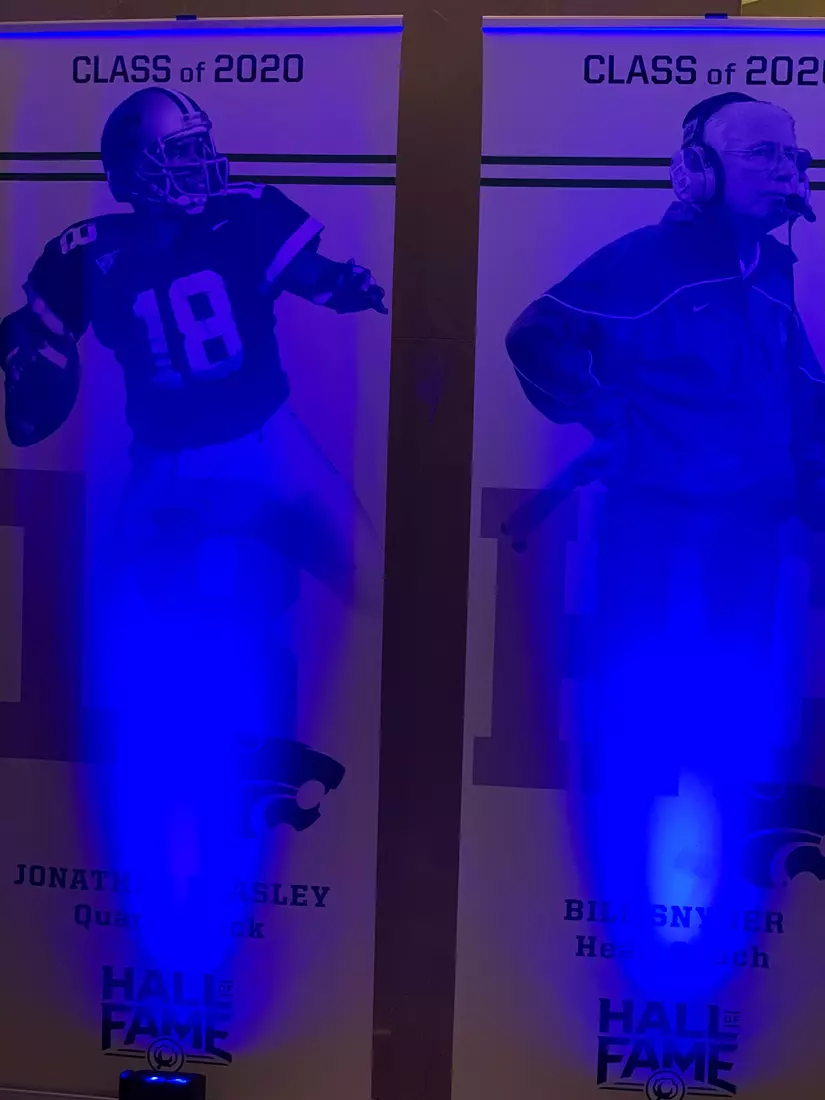
Photo by: Cotton Bowl
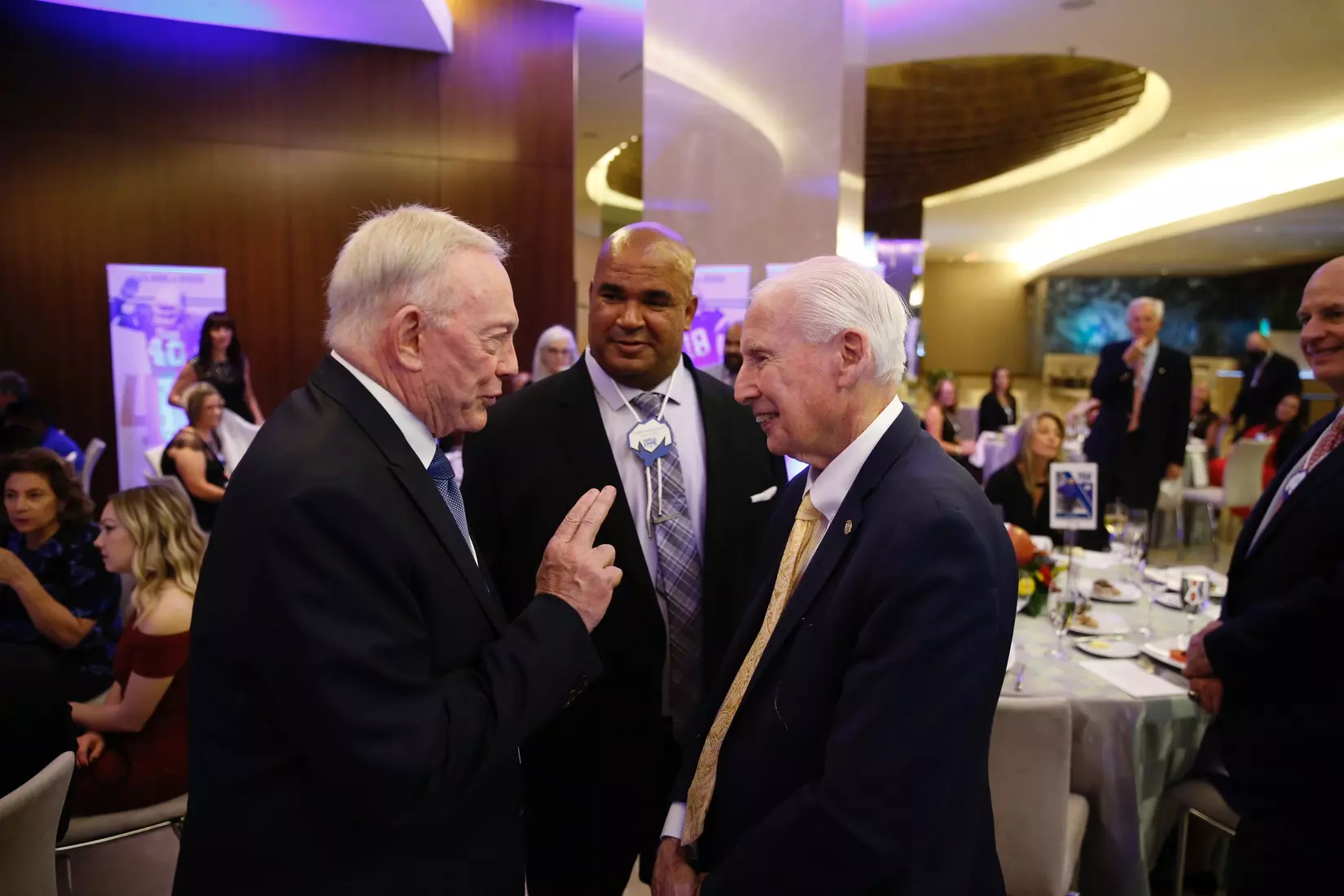
Photo by: Cotton Bowl
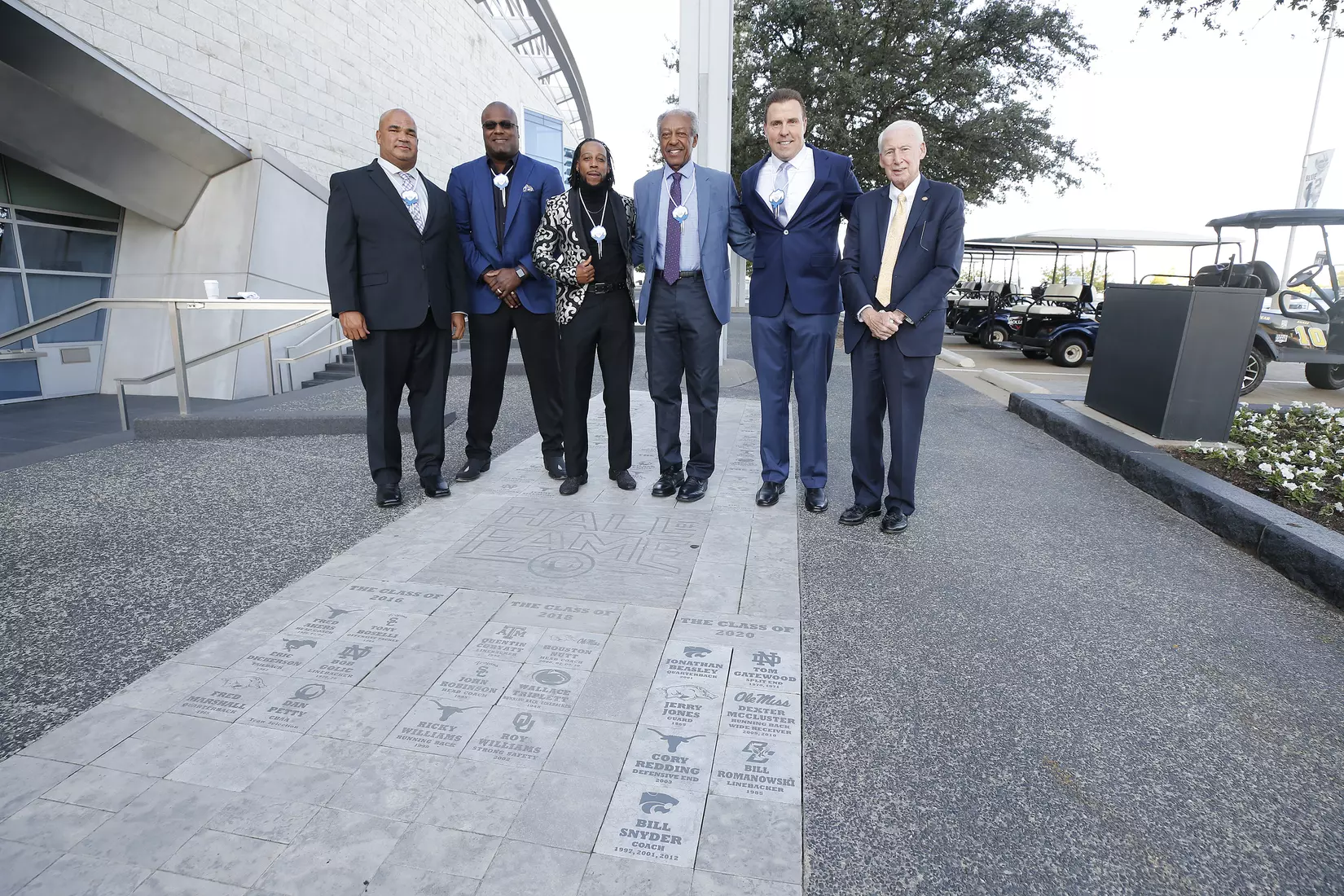
Photo by: ©James D. Smith/CBAA
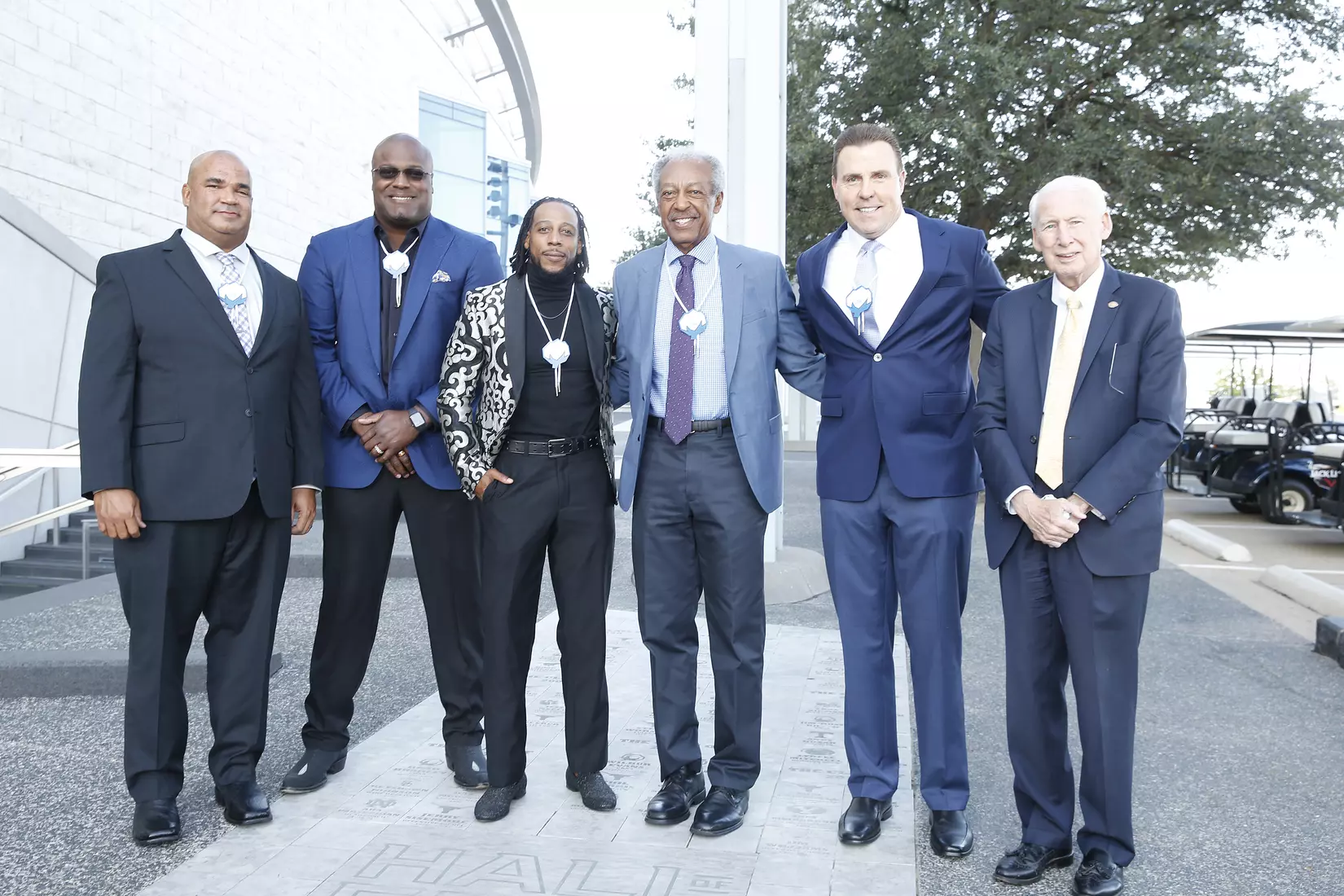
Photo by: ©James D. Smith/CBAA
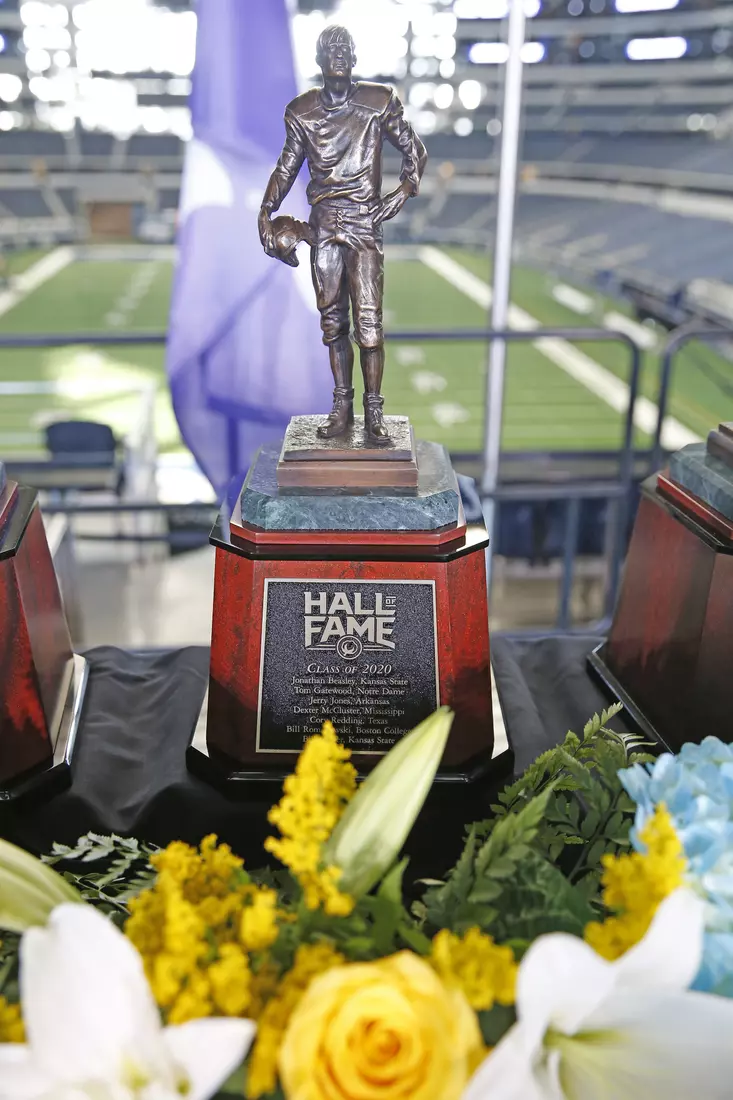
Photo by: ©James D. Smith/CBAA
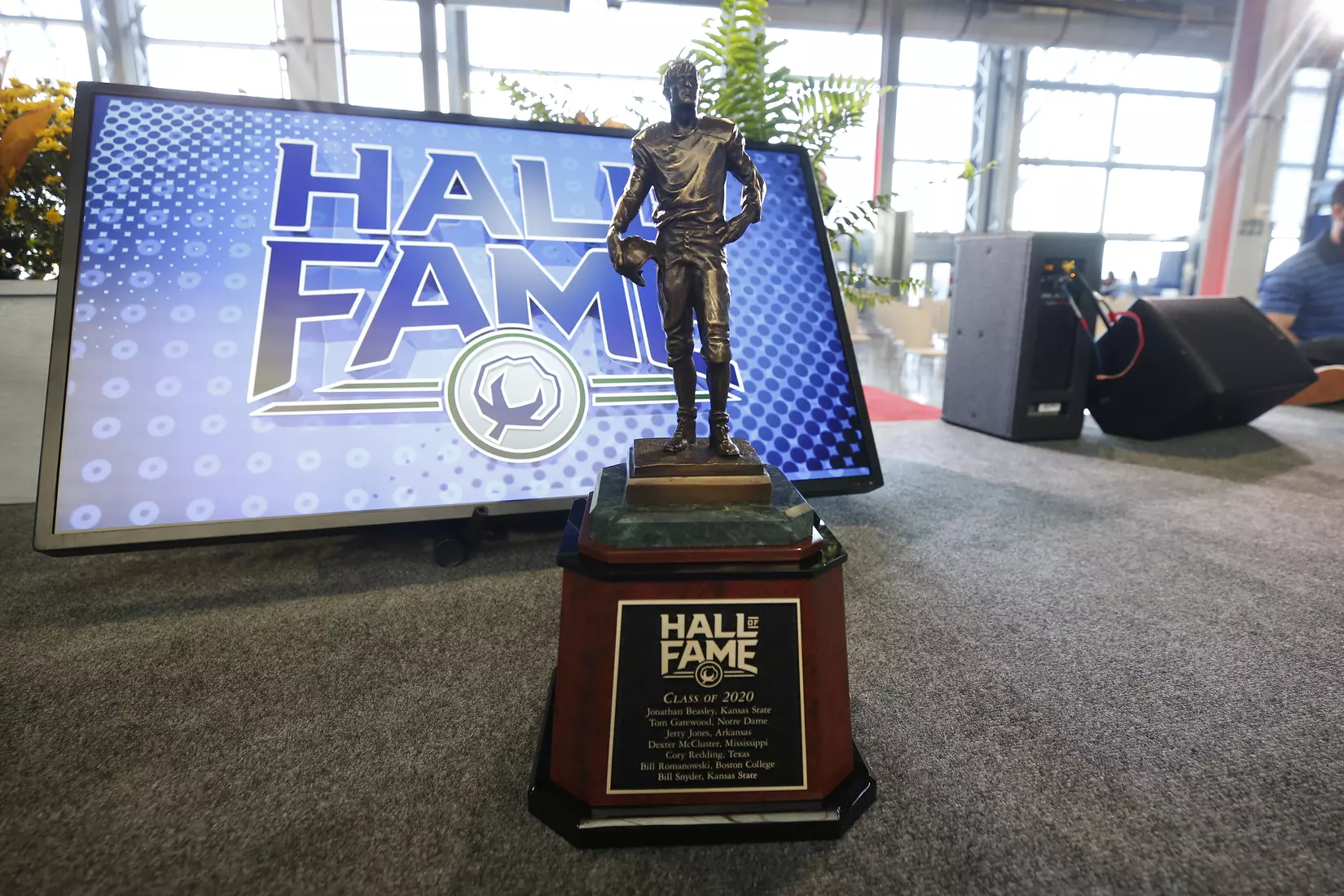
Photo by: ©James D. Smith/CBAA
Photo by: ©James D. Smith/CBAA
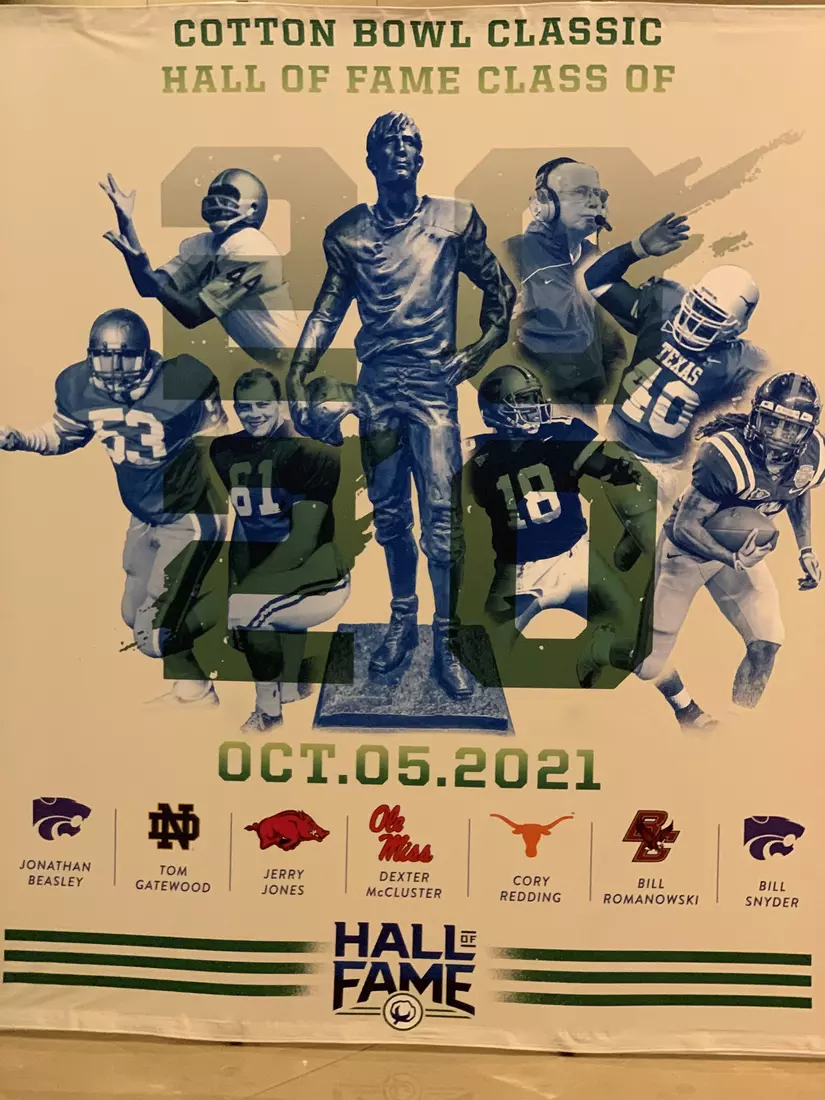
Photo by: ©James D. Smith/CBAA
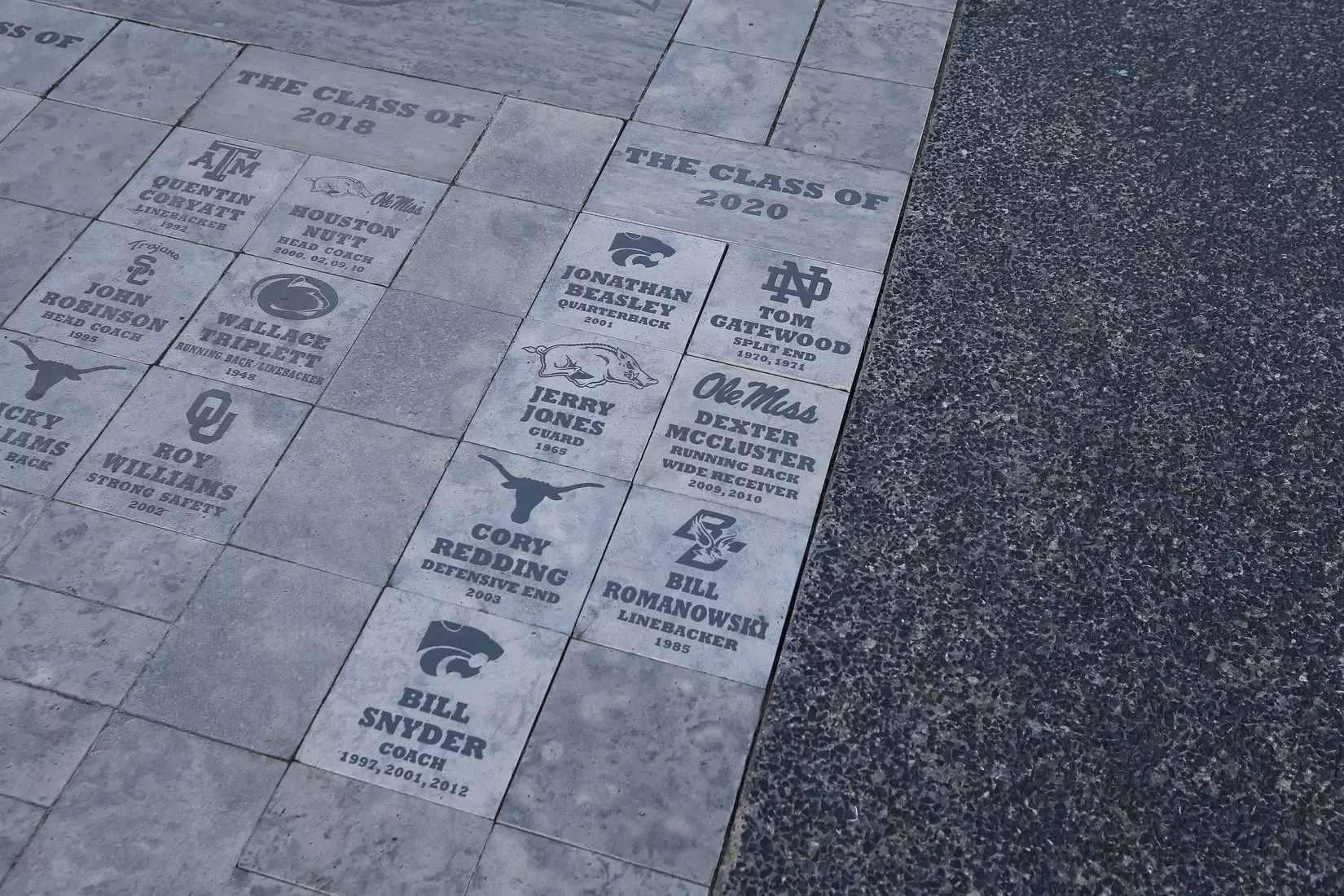
Photo by: ©James D. Smith/CBAA
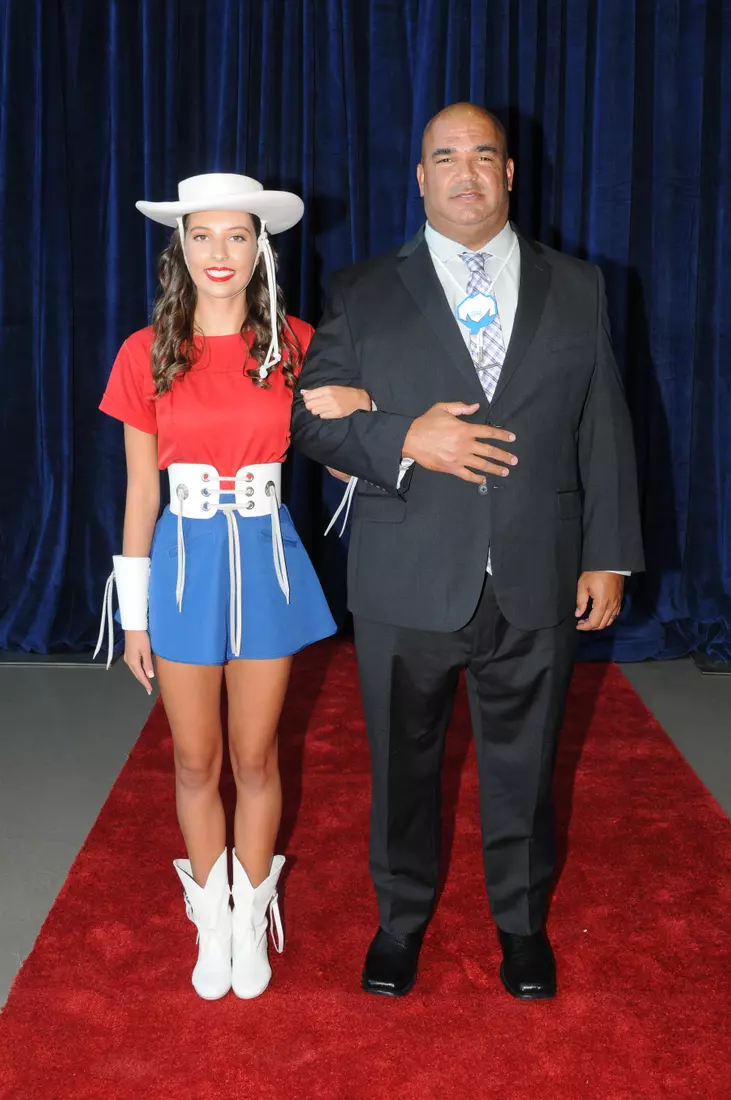
Photo by: ©James D. Smith/CBAA
Photo by: ©James D. Smith/CBAA
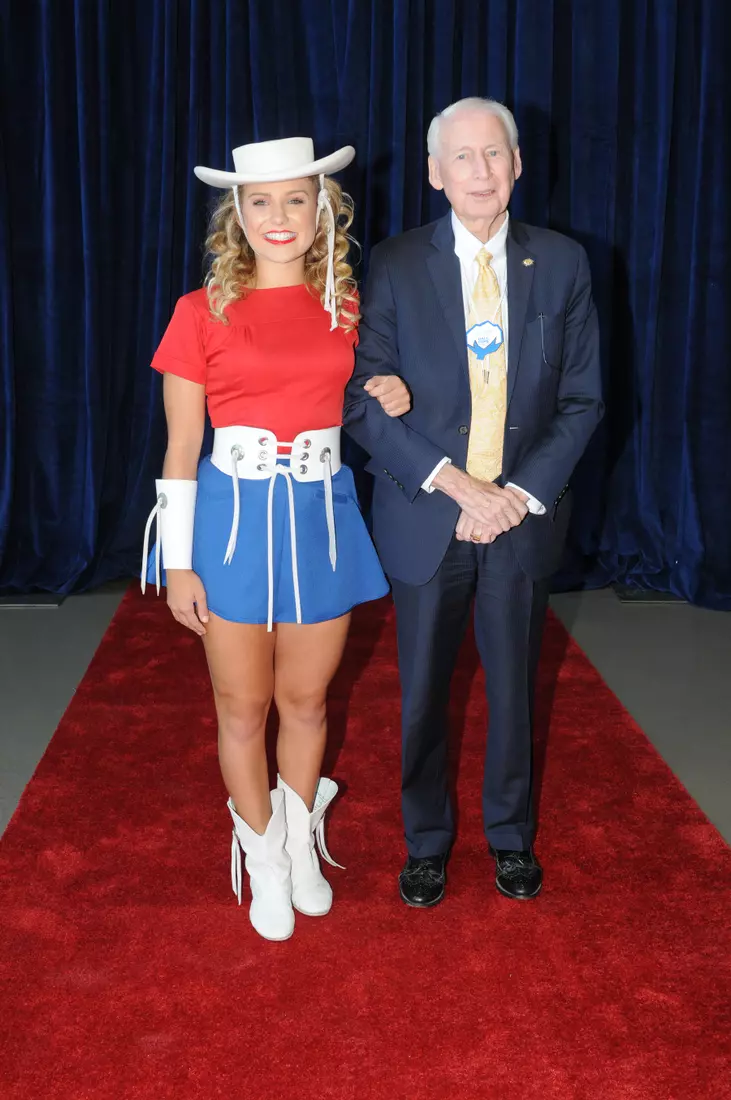
Photo by: ©James D. Smith/CBAA
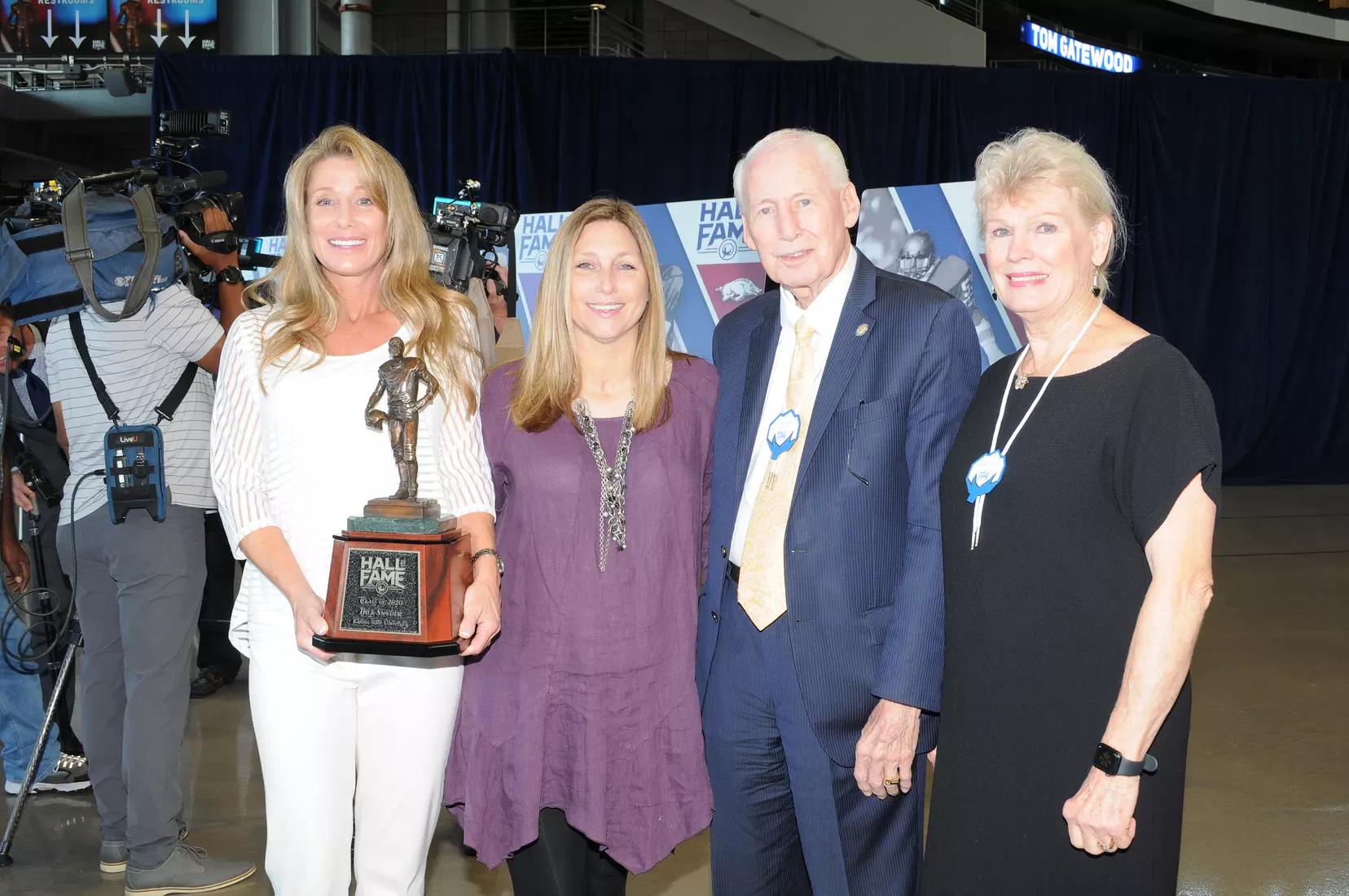
Photo by: ©James D. Smith/CBAA
SE: Q&A With Cotton Bowl HOF Inductee Jonathan Beasley
Oct 11, 2021 | Football, Sports Extra
Jonathan Beasley, who earned 2001 Cotton Bowl MVP honors after powering Kansas State to a 35-21 win over No. 21 Tennessee in the Cotton Bowl Classic, was one of seven inductees into the Cotton Bowl Hall of Fame this past Tuesday in Dallas.
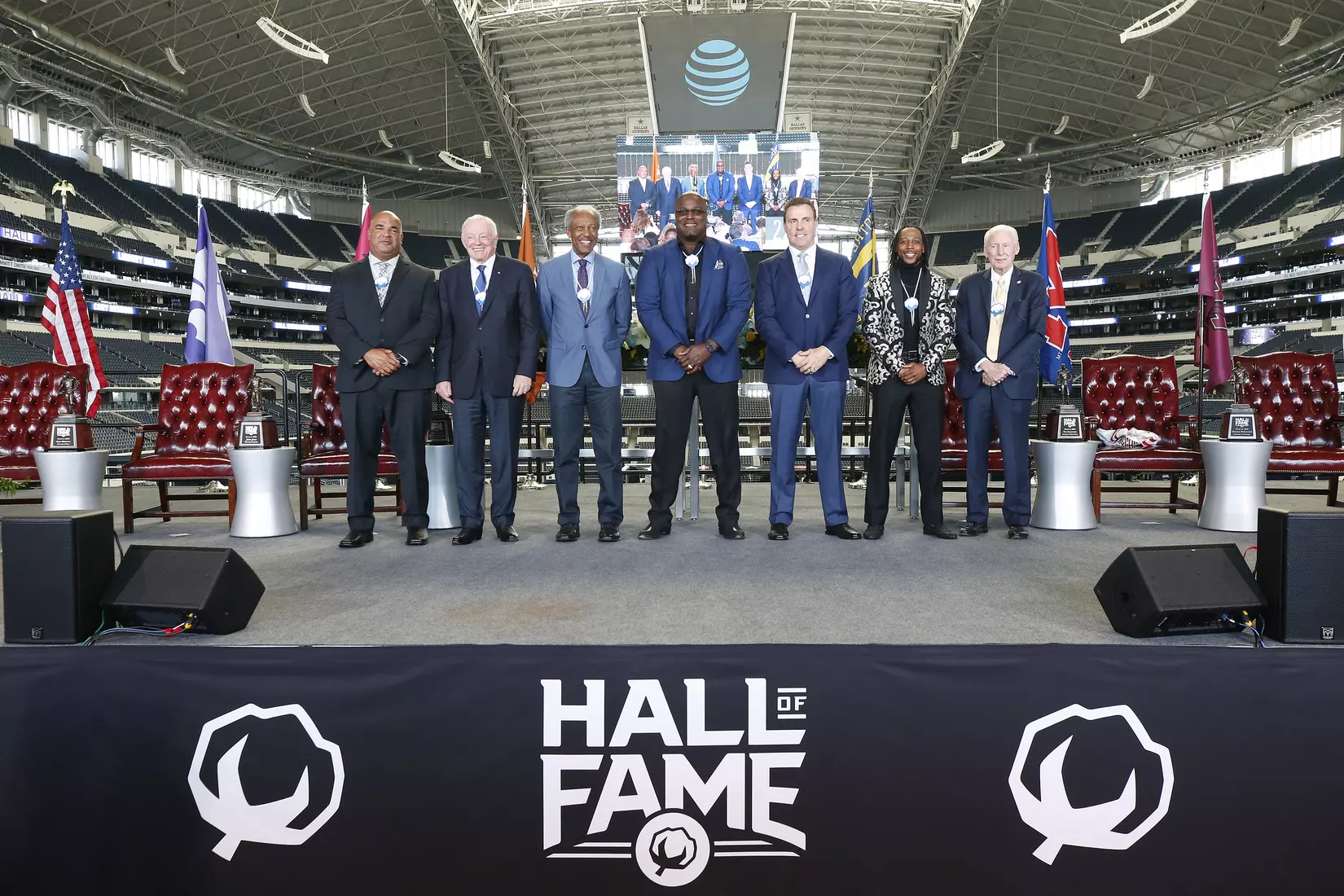
Beasley joined former K-State head coach Bill Snyder along with Jerry Jones, Tom Gatewood, Dexter McCluster, Cory Redding and Bill Romanowski as the 12th class for the Hall of Fame. The induction ceremony was held 17 months after initially being scheduled due to the pandemic.
It was the first time in Cotton Bowl Hall of Fame history that a player and his coach were inducted in the same class.
Beasley was 21-4 as a starting quarterback and was a part of teams that went 9-3, 11-1, 11-2, 11-1 and 11-3 while finishing in the top 10 of the final Associated Press Top 25 each of his final four seasons. It remains the winningest span in the history of the K-State football program.
Now in his 10th season as assistant coach at Tarleton State University, Beasley coaches the running backs and tight ends and is in his seventh season as recruiting coordinator. Beasley takes pride in helping his players become successful in all areas of their lives. He continues to utilize many of the coaching techniques that Snyder used in developing young men over his 27-year career.
D. Scott Fritchen of K-State Sports Extra spoke with Beasley following his induction into Cotton Bowl Hall of Fame induction:
Gallery: (10-5-2021) Cotton Bowl HoF Class of 2020 - Snyder & Beasley
DSF: Congrats on being inducted into the Cotton Bowl Hall of Fame at AT&T Stadium in Arlington, Texas. When did you first learn about your induction and what was your response to such an honor?
JB: I was excited. I was fired up because I'd been nominated before and didn't make it and kind of forgot about it. Then in the fall of 2019, I was at work and received an email from (Cotton Bowl Vice President of Communications) Charlie Fiss asking me to give him a call. I called him after practice. I got home and told my wife my news. At first, she thought I was joking. The induction was supposed to be in 2020 but was postponed until now.
DSF: Can you take me through your special couple days in Arlington and give K-Staters an overall idea about your experience at the Cotton Bowl induction ceremony?
JB: It all started the Monday with a nice dinner with the families and close friends of each of the inductees. I was able to meet everyone and that was awesome. It was really good to catch up with Coach Snyder. It was special to be inducted with Coach. In the history of the Cotton Bowl Hall of Fame, they had never had anyone inducted alongside their coach, so that was special. For all that Coach has done for K-State, myself, and all the former players, that makes it that much more special.
The event organizers showed all the attendees the Cotton Bowl inductee class video. We each received some awards, a piece of crystal. Tuesday morning, they revealed to us our Cotton Bowl inductee commemorative brick. Every member of each induction class has a commemorative brick that is placed alongside all the previous inductees. Then the official ceremony started at noon. Each inductee gave a speech in front of our families, friends and dignitaries, and we were each presented with the ceremonial personalized bronze statue. It was great to have my wife and two youngest children, my 2-year-old daughter Olivia and six-month year-old son Liam, there. Liam isn't crawling yet but he's getting really close. The days of really being on your Ps and Qs are about to come.
DSF: From the morning of January 1, 2001, to hoisting up the Cotton Bowl trophy later that afternoon, what do you remember about the day, the playing conditions, the battle, and the victory against Tennessee in the 2001 Cotton Bowl?
JB: We knew going in it was going to be a tough battle. Tennessee came from the storied SEC, was ranked No. 21, and had won six games in a row. You might remember the snowstorm hit the Dallas area that week. We had experience playing in the snow toward the end of the season, so the snow really didn't bother us. During warmups, we noticed Tennessee players came onto the field wearing full-body suits, parkas and ski masks. When we saw how Tennessee players dressed, we just had a feeling that if we could get on them and get rolling, the game would be ours.
It was a fun game. We had a top 10 offense (finished No. 6 nationally in averaging 39.5 points per game) and we were very explosive for that time. We rolled to 507 total yards in that game. We flew around, I got to score the first touchdown on a 14-yard run, then we got hot in the second quarter with back-to-back touchdown passes to Quincy Morgan (of 56 and 10 yards), and we just kept making plays. We knew that if we just kept plugging away, they were going to crumble — and they did. In the second half, we went to the ground game and brought it to them. We ran some option, some power, and Josh Scobey (28 carries, 147 yards, 2 TD) had a great second half and really helped us get that win. We just knew once we got up on them, they weren't going to come back from it. Our coaches did a great job with the game plan of how we were going to attack them. We knew they couldn't come back on us.
DSF: What are some of your favorite memories from that Cotton Bowl season?
JB: We were so appreciative of all the K-State fans. They showed us such loyalty and love. We had 45,000 fans there and the Cotton Bowl was almost like playing in a home game. It was awesome seeing all the purple in the stands. It meant a lot to us, particularly our senior class. After Michael Bishop left, a lot of people across the nation thought K-State was going to fall off. As a senior class, we said we were going to keep this train rolling as long as we were there. We did everything in our power to maintain our success. We were early to workouts and stayed late after workouts to ensure that we kept our streak off 11-win seasons going. Our senior class finished with a 44-7 record, which remains the winningest four-year period in K-State history. We won 11 games all four years. Nobody can take that away from us.
We faced a little bit of adversity that year. We lost to Oklahoma (41-31) at home and then we lost at Texas A&M (26-10). We knew if we won out, we could still win the Big 12 North Division title, play in the Big 12 Championship, and play in a good bowl. Our motto was we were just going to take it one game at a time. Everybody remembers the 12-yard touchdown pass to Quincy Morgan with less than 3 minutes remaining in the snow that lifted us to a 29-28 win over No. 4 Nebraska. The snow started on that last drive, and it was like out of a fairytale. We were like, 'OK, this is meant to be.' It was always heated against Nebraska. The pass at the end to Quincy, I'd actually missed that pass right before halftime. I threw a dig route to Aaron Lockett in the back of the end zone but missed. When we got into the locker room, offensive coordinator Ron Hudson told me, "Next time we get into the red zone, just go through your reads and look for Quincy, and he's going to be open. They're going to pass him off in their man defense and that safety isn't going to be able to get to him in time."
We got down there at the end against Nebraska, and they signaled the play, and I knew exactly where I was going to go. I stared Quincy down the whole way, I probably shouldn't have stared him down, but I got it to him, and he did the rest, and got into the end zone. Our offensive line did a great job, and our wide receivers did a great job running their routes to create the space for Quincy to get into the end zone. We beat Nebraska on Senior Night, our second win over the Huskers in the past three years. I remember that day like it was yesterday.
Unfortunately, we lost to Oklahoma 27-24 in the Big 12 Championship, but we played well enough to get an invite to the Cotton Bowl. I mean, the Cotton Bowl is where a lot of us wanted us to go because that was the first bowl a lot of us went to as a freshman class, and it'd be the final bowl for our senior class. We wanted to get that taste out of our mouth after our close loss to BYU in the 1997 Cotton Bowl.
DSF: After playing at K-State, you went to the Green Bay Packers, Detroit Lions and Jacksonville Jaguars before playing in Canada and the Kansas Indoor Professional Football league. Can you describe your path from college to professional football?
JB: I went to Green Bay as an undrafted free agent and was there for all the mini camps during the summer, but right before training camp they signed Billy Joe Tolliver, so I got let go. Then I signed with Detroit, and they drafted Joey Harrington. Then I went to Jacksonville, and they drafted Byron Leftwich. That kind of left me out. That's when I went to Canada for a year and a half, which was a good time, but I never got the opportunity to go back. I was at home working and got a call to play for the Wichita indoor football team. I played there for a couple of years and then the league folded. I had to make some decisions. I started working an actual 8-to-5 job. I even bartended at a comedy club on the weekends just to survive. I just wasn't happy.
I got the opportunity to coach at Wichita North High School for a season, and that brought my fire back for football. But I knew I didn't want to coach at the high school level. I was fortunate to be hired at Emporia State and then before the season started, I was hired by Montana State. I served as an assistant coach at Montana State for a couple of years, then when Coach Snyder came back to K-State, he hired me as an offensive graduate assistant. I served as offensive graduate assistant under Coach between 2009 and 2011. Then I went to Tarleton and I've been here ever since. I've enjoyed it.
DSF: What were some values that Coach Snyder instilled into you as a person and leader of young men that you've found yourself sharing today with young people?
JB: Coach Snyder always wanted us to lead by example and to always make sure his players were going to be class citizens in the classroom and off the field. It's important to hold yourself to a higher accountability than most people because you're always going to be in the eye of the people, whether you want to or not, because of the sport. I try to teach my guys that, yeah, you're playing football at a college that's going to help you to get a job, but it doesn't mean you're going to keep the job. You still must be on time, do your work, do all the little things when people aren't watching that's going to help you to be successful.
DSF: Congratulations on your 10th season at Tarleton State University and your seventh season as recruiting coordinator. You've coached All-Americans and record setters in the Lone Star Conference and now Tarleton has moved up to the FCS level. What's been the key to your success?
JB: I've been fortunate to find players that love to play. If you can find guys like that, you can coach them. You try to find very athletic kids as well. Some of them are guys that have room to grow, and maybe they don't get three square meals, and maybe they don't have a weight room at their high school, but if they're good, young people we like to give them a chance. I've been able to evaluate talent. We take a really slow process, kind of what Coach Snyder did, where we're going to find out everything about a recruit. We're going to go to your school, ask counselors, principles, janitors and other students what kind of person you are, because they're not going to sugarcoat anything. We just try to make the best evaluation and make sure they fit the scheme we're trying to run. I make our guys understand that they must work hard, whether it's their day off or not. I try to share that you have to do everything right, which is what Coach Snyder always taught us. If you do the little things right on a daily basis, it's going to create a snowball effect, and you're going to do great things. If you have a bad day, that's fine, but you've got to pick yourself back up, and get back on track.
I let our players know that I care about them. My wife makes cookies for my guys every week and our daughter and son help pass them out. We do little things. Once in a while, we'll have the players I coach over for dinner, so they can see me outside of football. Sometimes, if you just see someone in football, you don't think that there's a life outside for that coach. We open our home to them, and let them know we care about them, and they can ask me for anything at any time.
What gives me the greatest satisfaction is when I get a text from a kid two or three years after graduation. I appreciate that. When guys come back and they're excited to see me it's awesome. Players who were at Tarleton when Olivia was first born come back and now, and she's almost five years old, and she remembers some of them, and that makes them excited. We have a camaraderie. We try to treat our players like they're family. We let them know that how you act is going to be a representation of me as well. If you're in the streets making trouble, they're going to think I have no control of you. Now if you're doing positive things, that says something as well. I just share that it's important to do things right all the time. When our players consistently do the right thing in the classroom, on the football field, and in all areas of their lives, that gives me great satisfaction as a coach.
Beasley joined former K-State head coach Bill Snyder along with Jerry Jones, Tom Gatewood, Dexter McCluster, Cory Redding and Bill Romanowski as the 12th class for the Hall of Fame. The induction ceremony was held 17 months after initially being scheduled due to the pandemic.
It was the first time in Cotton Bowl Hall of Fame history that a player and his coach were inducted in the same class.
Beasley was 21-4 as a starting quarterback and was a part of teams that went 9-3, 11-1, 11-2, 11-1 and 11-3 while finishing in the top 10 of the final Associated Press Top 25 each of his final four seasons. It remains the winningest span in the history of the K-State football program.
Now in his 10th season as assistant coach at Tarleton State University, Beasley coaches the running backs and tight ends and is in his seventh season as recruiting coordinator. Beasley takes pride in helping his players become successful in all areas of their lives. He continues to utilize many of the coaching techniques that Snyder used in developing young men over his 27-year career.
D. Scott Fritchen of K-State Sports Extra spoke with Beasley following his induction into Cotton Bowl Hall of Fame induction:
DSF: Congrats on being inducted into the Cotton Bowl Hall of Fame at AT&T Stadium in Arlington, Texas. When did you first learn about your induction and what was your response to such an honor?
JB: I was excited. I was fired up because I'd been nominated before and didn't make it and kind of forgot about it. Then in the fall of 2019, I was at work and received an email from (Cotton Bowl Vice President of Communications) Charlie Fiss asking me to give him a call. I called him after practice. I got home and told my wife my news. At first, she thought I was joking. The induction was supposed to be in 2020 but was postponed until now.
DSF: Can you take me through your special couple days in Arlington and give K-Staters an overall idea about your experience at the Cotton Bowl induction ceremony?
JB: It all started the Monday with a nice dinner with the families and close friends of each of the inductees. I was able to meet everyone and that was awesome. It was really good to catch up with Coach Snyder. It was special to be inducted with Coach. In the history of the Cotton Bowl Hall of Fame, they had never had anyone inducted alongside their coach, so that was special. For all that Coach has done for K-State, myself, and all the former players, that makes it that much more special.
The event organizers showed all the attendees the Cotton Bowl inductee class video. We each received some awards, a piece of crystal. Tuesday morning, they revealed to us our Cotton Bowl inductee commemorative brick. Every member of each induction class has a commemorative brick that is placed alongside all the previous inductees. Then the official ceremony started at noon. Each inductee gave a speech in front of our families, friends and dignitaries, and we were each presented with the ceremonial personalized bronze statue. It was great to have my wife and two youngest children, my 2-year-old daughter Olivia and six-month year-old son Liam, there. Liam isn't crawling yet but he's getting really close. The days of really being on your Ps and Qs are about to come.
DSF: From the morning of January 1, 2001, to hoisting up the Cotton Bowl trophy later that afternoon, what do you remember about the day, the playing conditions, the battle, and the victory against Tennessee in the 2001 Cotton Bowl?
JB: We knew going in it was going to be a tough battle. Tennessee came from the storied SEC, was ranked No. 21, and had won six games in a row. You might remember the snowstorm hit the Dallas area that week. We had experience playing in the snow toward the end of the season, so the snow really didn't bother us. During warmups, we noticed Tennessee players came onto the field wearing full-body suits, parkas and ski masks. When we saw how Tennessee players dressed, we just had a feeling that if we could get on them and get rolling, the game would be ours.
It was a fun game. We had a top 10 offense (finished No. 6 nationally in averaging 39.5 points per game) and we were very explosive for that time. We rolled to 507 total yards in that game. We flew around, I got to score the first touchdown on a 14-yard run, then we got hot in the second quarter with back-to-back touchdown passes to Quincy Morgan (of 56 and 10 yards), and we just kept making plays. We knew that if we just kept plugging away, they were going to crumble — and they did. In the second half, we went to the ground game and brought it to them. We ran some option, some power, and Josh Scobey (28 carries, 147 yards, 2 TD) had a great second half and really helped us get that win. We just knew once we got up on them, they weren't going to come back from it. Our coaches did a great job with the game plan of how we were going to attack them. We knew they couldn't come back on us.
DSF: What are some of your favorite memories from that Cotton Bowl season?
JB: We were so appreciative of all the K-State fans. They showed us such loyalty and love. We had 45,000 fans there and the Cotton Bowl was almost like playing in a home game. It was awesome seeing all the purple in the stands. It meant a lot to us, particularly our senior class. After Michael Bishop left, a lot of people across the nation thought K-State was going to fall off. As a senior class, we said we were going to keep this train rolling as long as we were there. We did everything in our power to maintain our success. We were early to workouts and stayed late after workouts to ensure that we kept our streak off 11-win seasons going. Our senior class finished with a 44-7 record, which remains the winningest four-year period in K-State history. We won 11 games all four years. Nobody can take that away from us.
We faced a little bit of adversity that year. We lost to Oklahoma (41-31) at home and then we lost at Texas A&M (26-10). We knew if we won out, we could still win the Big 12 North Division title, play in the Big 12 Championship, and play in a good bowl. Our motto was we were just going to take it one game at a time. Everybody remembers the 12-yard touchdown pass to Quincy Morgan with less than 3 minutes remaining in the snow that lifted us to a 29-28 win over No. 4 Nebraska. The snow started on that last drive, and it was like out of a fairytale. We were like, 'OK, this is meant to be.' It was always heated against Nebraska. The pass at the end to Quincy, I'd actually missed that pass right before halftime. I threw a dig route to Aaron Lockett in the back of the end zone but missed. When we got into the locker room, offensive coordinator Ron Hudson told me, "Next time we get into the red zone, just go through your reads and look for Quincy, and he's going to be open. They're going to pass him off in their man defense and that safety isn't going to be able to get to him in time."
We got down there at the end against Nebraska, and they signaled the play, and I knew exactly where I was going to go. I stared Quincy down the whole way, I probably shouldn't have stared him down, but I got it to him, and he did the rest, and got into the end zone. Our offensive line did a great job, and our wide receivers did a great job running their routes to create the space for Quincy to get into the end zone. We beat Nebraska on Senior Night, our second win over the Huskers in the past three years. I remember that day like it was yesterday.
Unfortunately, we lost to Oklahoma 27-24 in the Big 12 Championship, but we played well enough to get an invite to the Cotton Bowl. I mean, the Cotton Bowl is where a lot of us wanted us to go because that was the first bowl a lot of us went to as a freshman class, and it'd be the final bowl for our senior class. We wanted to get that taste out of our mouth after our close loss to BYU in the 1997 Cotton Bowl.
DSF: After playing at K-State, you went to the Green Bay Packers, Detroit Lions and Jacksonville Jaguars before playing in Canada and the Kansas Indoor Professional Football league. Can you describe your path from college to professional football?
JB: I went to Green Bay as an undrafted free agent and was there for all the mini camps during the summer, but right before training camp they signed Billy Joe Tolliver, so I got let go. Then I signed with Detroit, and they drafted Joey Harrington. Then I went to Jacksonville, and they drafted Byron Leftwich. That kind of left me out. That's when I went to Canada for a year and a half, which was a good time, but I never got the opportunity to go back. I was at home working and got a call to play for the Wichita indoor football team. I played there for a couple of years and then the league folded. I had to make some decisions. I started working an actual 8-to-5 job. I even bartended at a comedy club on the weekends just to survive. I just wasn't happy.
I got the opportunity to coach at Wichita North High School for a season, and that brought my fire back for football. But I knew I didn't want to coach at the high school level. I was fortunate to be hired at Emporia State and then before the season started, I was hired by Montana State. I served as an assistant coach at Montana State for a couple of years, then when Coach Snyder came back to K-State, he hired me as an offensive graduate assistant. I served as offensive graduate assistant under Coach between 2009 and 2011. Then I went to Tarleton and I've been here ever since. I've enjoyed it.
DSF: What were some values that Coach Snyder instilled into you as a person and leader of young men that you've found yourself sharing today with young people?
JB: Coach Snyder always wanted us to lead by example and to always make sure his players were going to be class citizens in the classroom and off the field. It's important to hold yourself to a higher accountability than most people because you're always going to be in the eye of the people, whether you want to or not, because of the sport. I try to teach my guys that, yeah, you're playing football at a college that's going to help you to get a job, but it doesn't mean you're going to keep the job. You still must be on time, do your work, do all the little things when people aren't watching that's going to help you to be successful.
DSF: Congratulations on your 10th season at Tarleton State University and your seventh season as recruiting coordinator. You've coached All-Americans and record setters in the Lone Star Conference and now Tarleton has moved up to the FCS level. What's been the key to your success?
JB: I've been fortunate to find players that love to play. If you can find guys like that, you can coach them. You try to find very athletic kids as well. Some of them are guys that have room to grow, and maybe they don't get three square meals, and maybe they don't have a weight room at their high school, but if they're good, young people we like to give them a chance. I've been able to evaluate talent. We take a really slow process, kind of what Coach Snyder did, where we're going to find out everything about a recruit. We're going to go to your school, ask counselors, principles, janitors and other students what kind of person you are, because they're not going to sugarcoat anything. We just try to make the best evaluation and make sure they fit the scheme we're trying to run. I make our guys understand that they must work hard, whether it's their day off or not. I try to share that you have to do everything right, which is what Coach Snyder always taught us. If you do the little things right on a daily basis, it's going to create a snowball effect, and you're going to do great things. If you have a bad day, that's fine, but you've got to pick yourself back up, and get back on track.
I let our players know that I care about them. My wife makes cookies for my guys every week and our daughter and son help pass them out. We do little things. Once in a while, we'll have the players I coach over for dinner, so they can see me outside of football. Sometimes, if you just see someone in football, you don't think that there's a life outside for that coach. We open our home to them, and let them know we care about them, and they can ask me for anything at any time.
What gives me the greatest satisfaction is when I get a text from a kid two or three years after graduation. I appreciate that. When guys come back and they're excited to see me it's awesome. Players who were at Tarleton when Olivia was first born come back and now, and she's almost five years old, and she remembers some of them, and that makes them excited. We have a camaraderie. We try to treat our players like they're family. We let them know that how you act is going to be a representation of me as well. If you're in the streets making trouble, they're going to think I have no control of you. Now if you're doing positive things, that says something as well. I just share that it's important to do things right all the time. When our players consistently do the right thing in the classroom, on the football field, and in all areas of their lives, that gives me great satisfaction as a coach.
Wednesday, September 23
Wednesday, September 23
Monday, September 21
Saturday, September 19